



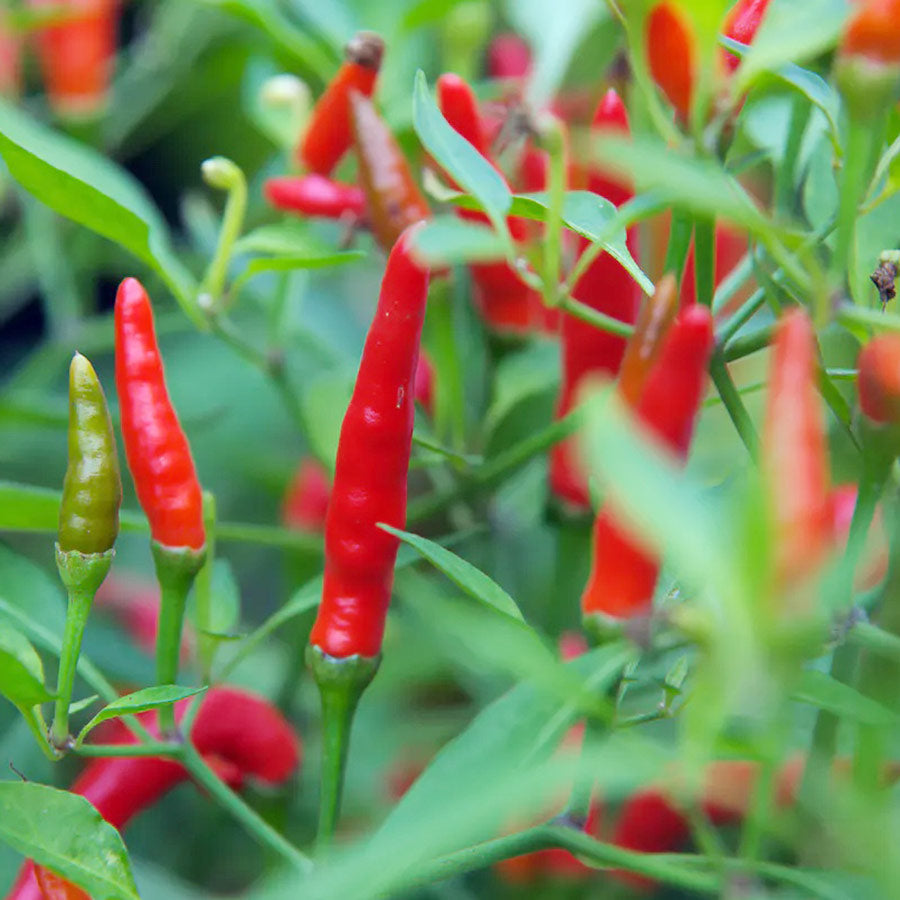
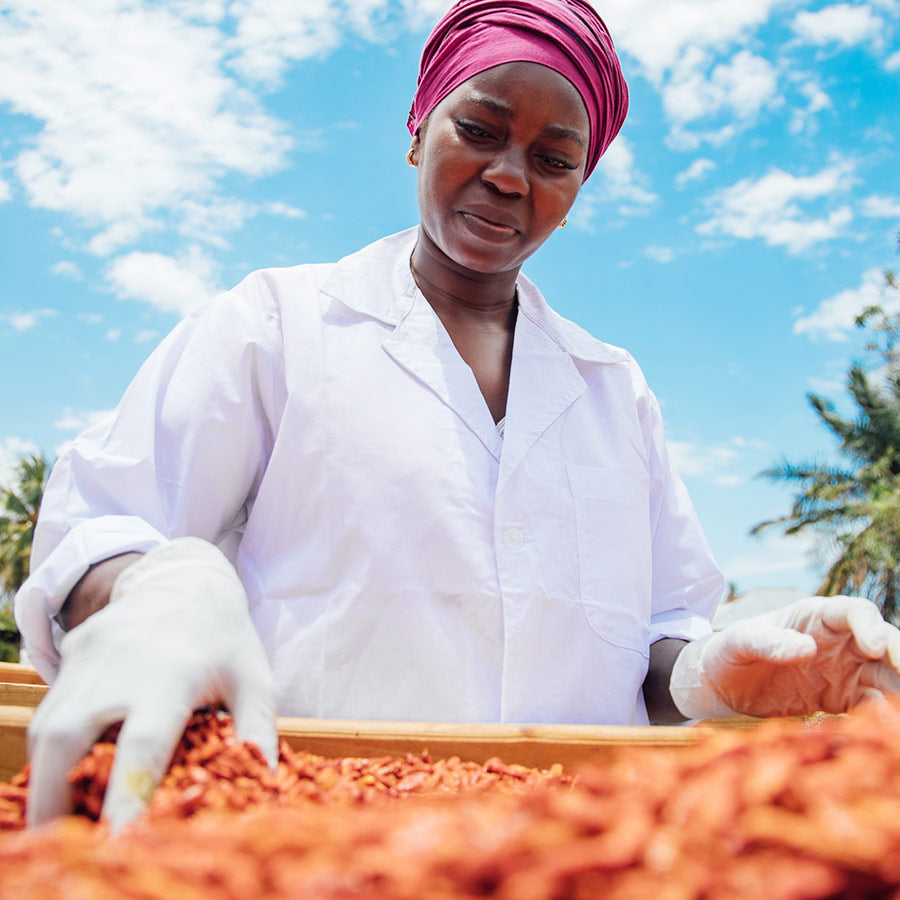


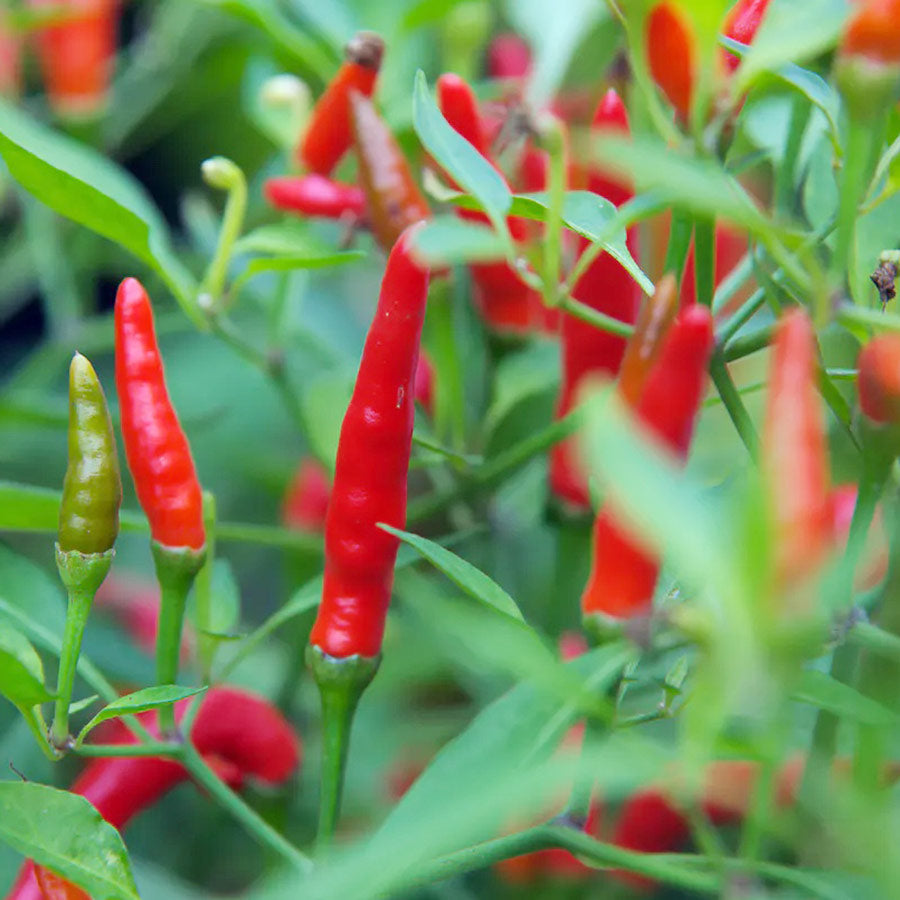
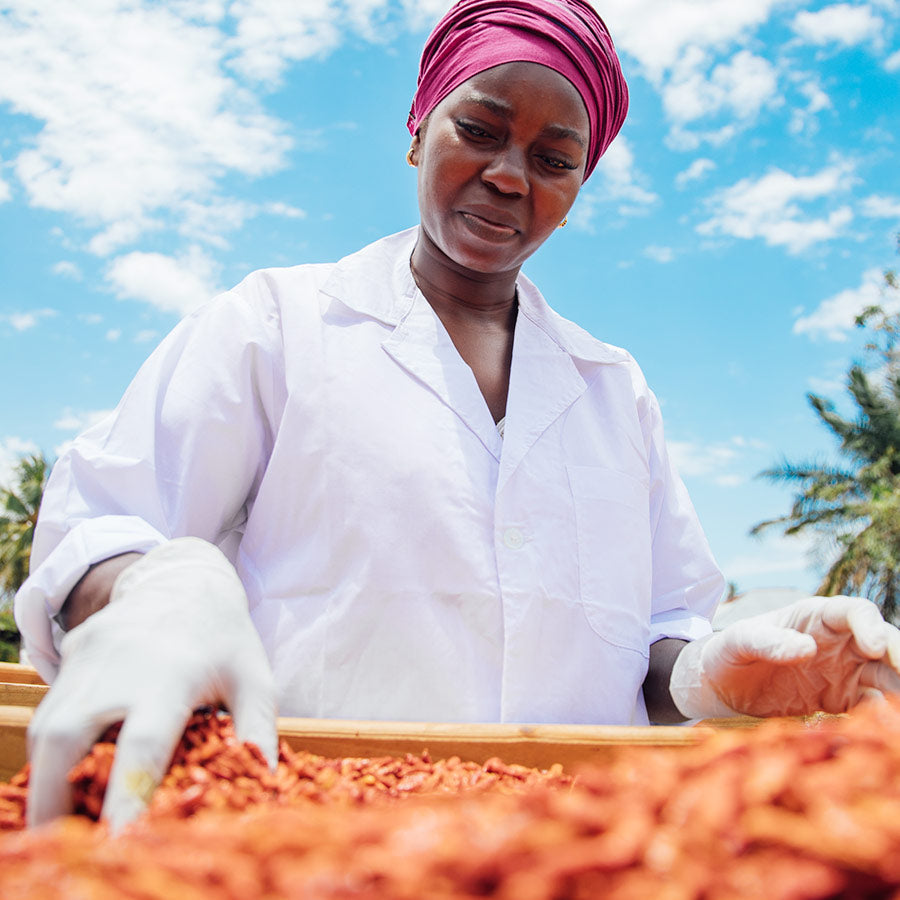
The world of hot spices is diverse and fascinating. With every bite, you not only bring warmth to your dishes, but also uncover the stories behind each spice from Zanzibar. 1001 Organic gives you the opportunity to enjoy sustainable and aromatic spices directly from smallholder farmers.
What makes hot spices so special?
Hot spices are more than just seasoning – they bring warmth, freshness, and a tingling energy into your kitchen. Their heat comes from natural compounds such as capsaicin in chilies or piperine in pepper, sending your taste buds on an exciting journey. We source them directly from the origin and process them fresh and gently so their aroma is preserved. Every pinch tells a story of sustainable cultivation in mixed forests and fair partnerships.
You feel the heat slowly spreading, while at the same time the flavor begins to bloom – fruity, earthy, or citrusy. Whether mild or fiery, they fit perfectly into everyday meals and turn them into culinary adventures. With us, you not only enjoy the moment, but also support stable livelihoods on the ground.
The heat scale – from mild to explosive
Heat is measured in Scoville units (SHU). We explain it simply: from a mild entry at 100–500 SHU, to fiery at 30,000, to extreme at over 100,000. Start gently and build up – that is how you find your perfect kick. Our spices are balanced so they harmonize without overwhelming you.
| Heat level | Examples | SHU range | Aroma highlights |
|---|---|---|---|
| Mild-spicy | Hot paprika, black pepper | 100–500 | Fruity-warm, woody |
| Fiery | Cayenne pepper, Jalapeño | 2,500–50,000 | Burning-intense, tangy |
| Extreme | Habanero, Scotch Bonnet | 100,000–350,000+ | Tropical-explosive |
The stars among hot spices
We are sharing the most popular hot spices with you – all versatile and full of potential for your recipes. They are grown sustainably, processed locally, and bring real flavor into your pan. Try them and taste the difference.
Chili and its varieties – the king of heat
Chili is the undisputed star: fruity-hot, smoky, or tropical. Fresh, dried, or ground into powder – it turns up the heat in Mexican, Indian, or Thai dishes. Cayenne burns directly, while Habanero delivers an explosive fruity heat. We provide them harvest-fresh, directly from smallholder farmers, for maximum aroma.
- Cayenne pepper: Intensely hot, ideal for BBQ or Tex-Mex.
- Jalapeño: Tangy and peppery, perfect for sauces and salads.
- Habanero: Tropical and fiery, ideal for curries or fruit sauces.
Pepper in all its forms – warm and versatile
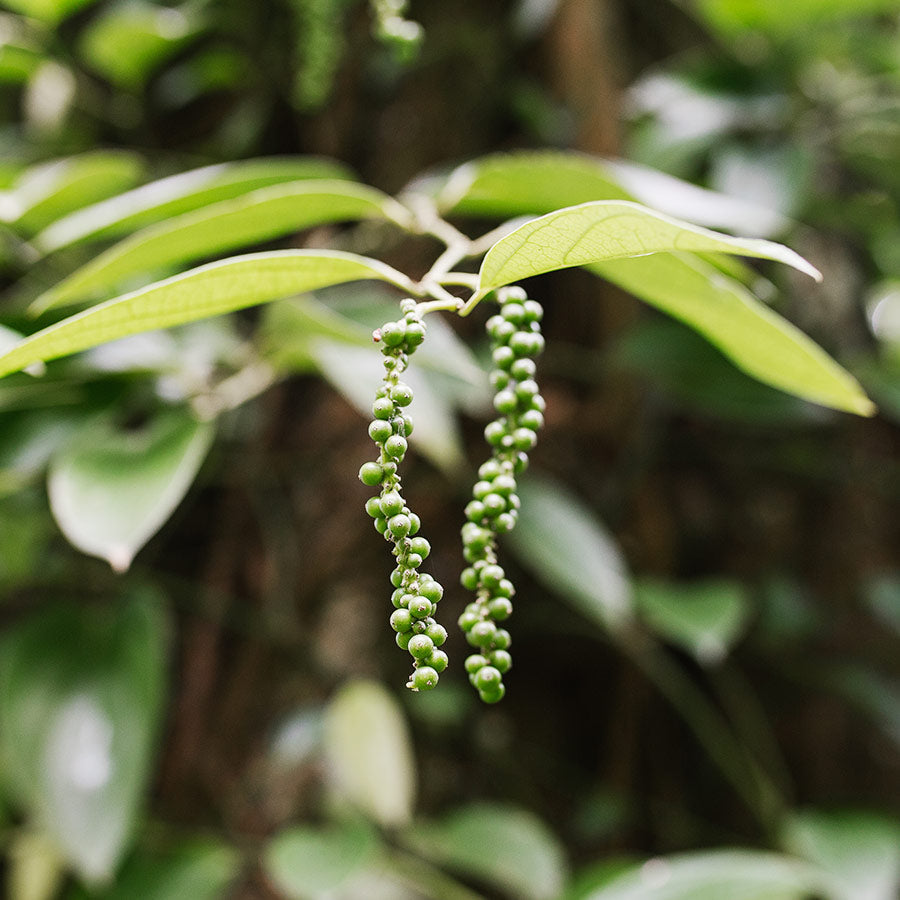
Pepper is an all-rounder that shines in every kitchen. Black pepper warms with woody-spicy notes, long pepper is sweeter and more intense. Sichuan pepper creates a citrusy tingling sensation with a slight numbing effect. Without intermediaries, we bring it to you fairly and transparently – for dishes from all over the world.
- Black pepper: A classic, great with meat, pasta, or even desserts.
- White pepper: Milder and elegant for light sauces and soups.
- Green pepper: Fruity-fresh, excellent with fish or creamy sauces.
- Long pepper: Warmer, with Asian-Indian inspiration.
- Sichuan pepper: Tingling, ideal for Chinese stir-fries.
Paprika, ginger, and more – for depth and freshness
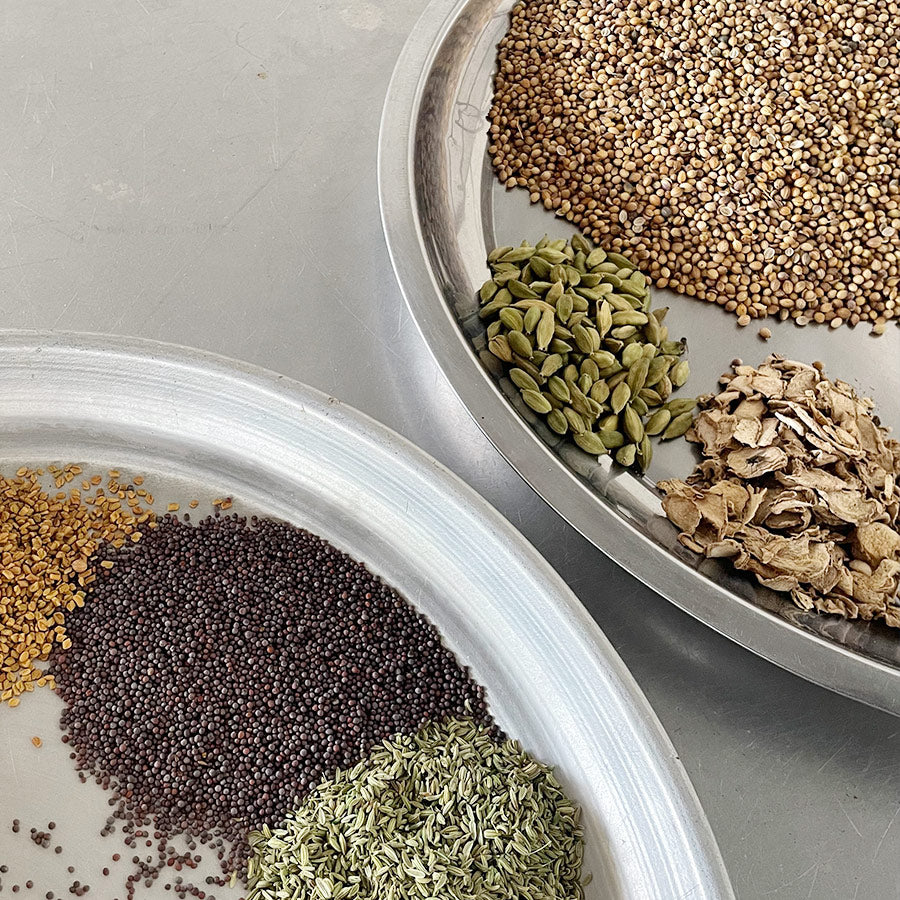
Hot paprika brings fruity warmth, while ginger adds a citrusy, spicy sweetness. Complemented by galangal, horseradish, or mustard seeds, they create pure harmony. These spices from sustainable cultivation make your curries, soups, or marinades unforgettable.
- Hot paprika: Mild-fruity, with Hungarian and Middle Eastern character.
- Ginger: Citrusy-warm, inspired by Asian and Ayurvedic traditions.
- Horseradish/Wasabi: Sharp and fresh, intensely nasal.
- Mustard seeds: Nutty and robust, ideal for dressings and vegetables.
Spice blends – fiery mixes for quick enjoyment
Hot blends combine the best of everything: chili with herbs, pepper with spices. They give döner, bruschetta, or curries an authentic kick. Our blends are developed in partnership, kept natural, and full of freshness – perfect for enriching your kitchen.
Examples for inspiration
- Döner-style: With paprika, chili, garlic, and herbs for Turkish-inspired flavor.
- Arrabiata-style: Chili flakes, tomato, and oregano for Italian heat.
- Curry blends: With turmeric and cumin for Indian-Thai warmth.
Tips for perfect use in your kitchen
Do you want to master heat? We will show you how – simply, warmly, and with real enjoyment. Our spices are processed so they keep their aroma for a long time, protected from light and packed in recyclable packaging.
Dosage and balance
Start with a pinch – heat intensifies during cooking. Balance it with sweetness such as honey, acidity such as lime, or dairy products. In Thai cuisine, sweet, sour, and spicy work together perfectly.
- Rule of thumb: Less is more, and you can always add more later.
- Too hot? Milk, yogurt, or rice help bind the heat.
Typical cuisines and recipes
- Mexican: Chili and chipotle for tacos and sauces.
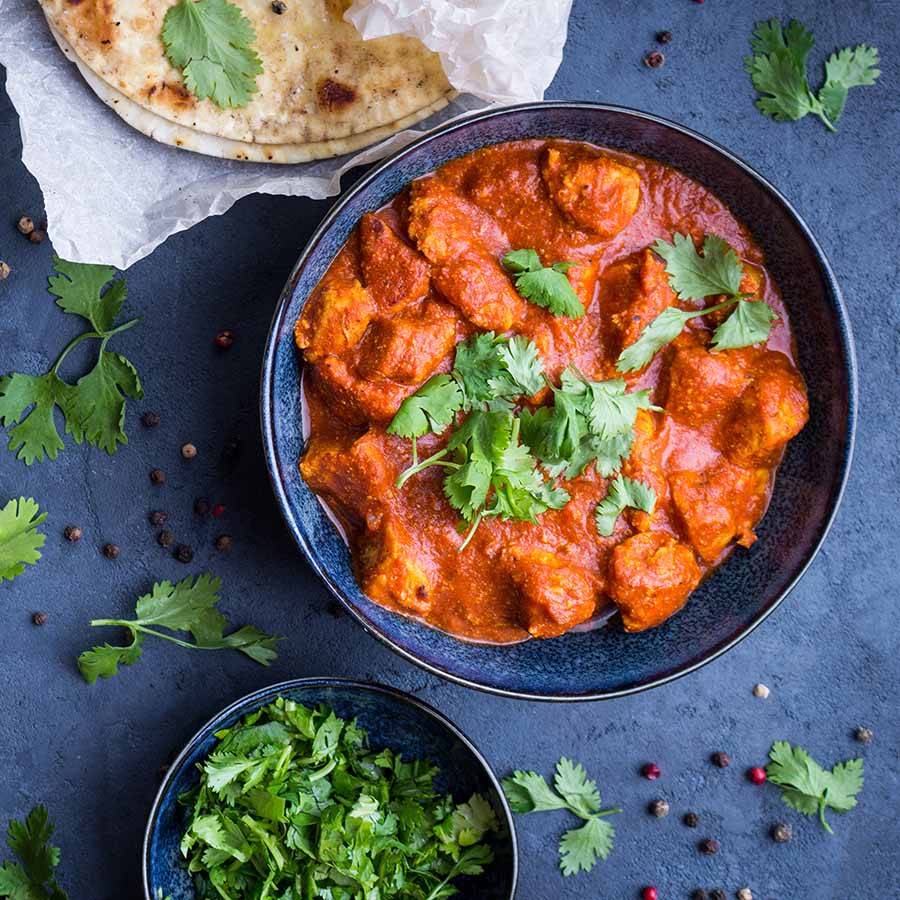
- Indian/Thai: Pepper and ginger in curries.
- Asian: Sichuan pepper in stir-fried dishes.
- European: Paprika and horseradish with meat or soups.
Experiment: chili with chocolate, pepper with strawberries – unusual and delicious.
Storage for long-lasting aroma
Store airtight, dark, and dry – this keeps capsaicin and piperine potent. Do not keep them above the stove, ideally in our practical packaging.
Why choose hot spices from 1001 Organic?
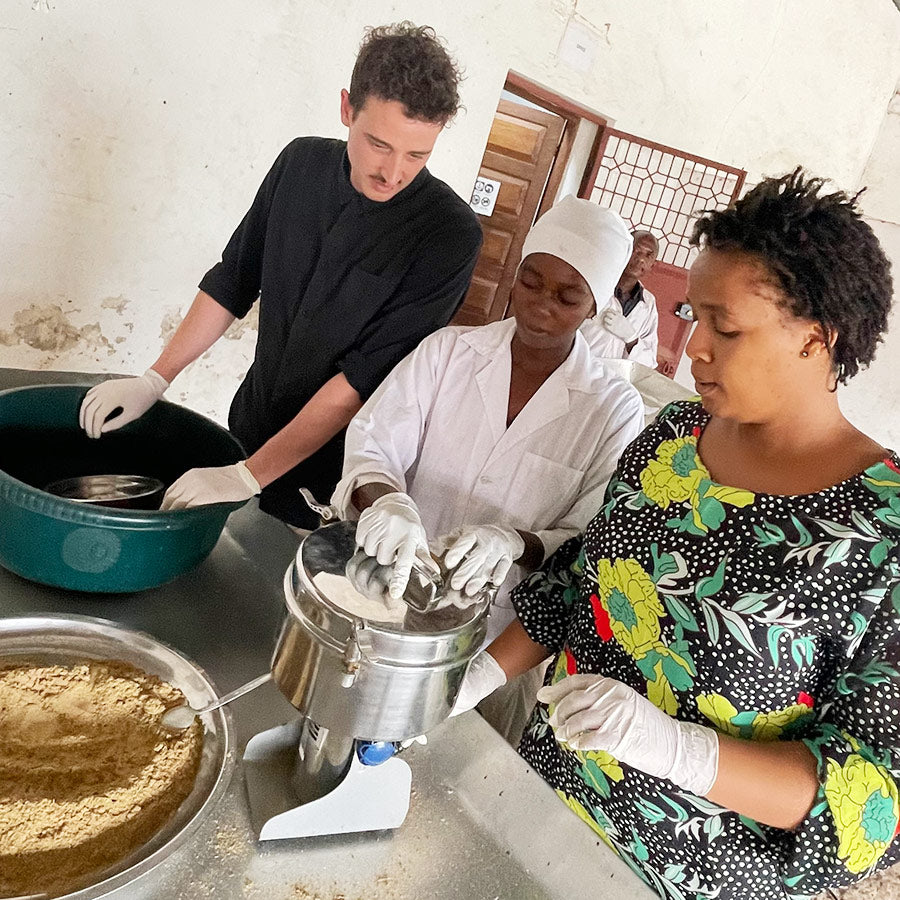
We bring you hot spices directly from smallholder farmers – with no intermediaries, fairly traded, and sustainably grown in mixed forests. Processed locally in Zanzibar for freshness and jobs. Every purchase strengthens families, protects biodiversity, and fills your kitchen with real flavor. Enjoyment and responsibility go hand in hand – try them and feel the difference. Your dishes will never be the same again.
FAQ
What are the most popular hot spices?
The most popular hot spices include chili, cayenne pepper, black pepper, and habanero. Each of these spices brings unique aromas and heat levels that enrich your dishes.
How should hot spices be stored properly?
Hot spices should be stored airtight in a cool, dark place. Avoid direct sunlight and proximity to heat sources in order to preserve their freshness and aroma.
What is the Scoville scale?
The Scoville scale is a measure used to determine the heat of chilies and other spicy foods. It measures the content of capsaicin, the substance that causes heat. Higher values mean more intense heat.
How can I balance the heat in my dish?
To balance heat in your dish, you can add sweet or acidic ingredients. Honey, lime juice, or yogurt are excellent options for softening the spiciness.
What makes the spices from 1001 Organic special?
The spices from 1001 Organic are sourced directly from smallholder farmers, processed naturally, and sustainably grown in mixed forests. Through processing in Zanzibar, we guarantee maximum freshness and support the local economy.
What spice blends does 1001 Organic offer?
We offer a wide range of spice blends, including Döner-style, Arrabiata-style, and various curry blends. Each mix is carefully developed to ignite authentic flavors.
How can I experiment with hot spices?
Try different combinations. Hot spices pair well with tacos, curries, marinades, and even desserts such as chocolate. Be creative and discover new flavor experiences.
How do hot spices affect health?
Although hot spices bring great enjoyment to cooking, no specific health-related claims are made here. The focus is on flavor and aroma.
How much do the hot spices from 1001 Organic cost?
Prices may vary, but they are designed so that you receive high-quality products at fair conditions. Their value is reflected in the quality and in the support of smallholder farmers.
Can I combine spices individually?
Yes, you can combine our spices individually to create the perfect mixes for your dishes. Try what tastes best to you and let your creativity run free.






Bestsellers





















Natural & Fair
• Sustainable farming practices
• Local communities
• Direct partnerships
• Effective value creation at the source of the spices
• Farm to Kitchen concept
• Protection of biodiversity
• Fair working conditions

