





Cloves are one of the most intense and aromatic spices you can use in your kitchen. Their unique qualities and fascinating history make them an essential ingredient in countless dishes. Learn more about how to use them, what they taste like, and where this special spice comes from.
Aroma and flavour
Intense and multi-layered
Cloves have a sharp, essential-oil-like flavour with sweet and spicy notes. They are anything but subtle – whenever they are part of a dish, they take the lead and add unmistakable depth. Their taste can feel like an intriguing blend of pepper, cinnamon and nutmeg. Many people describe the aroma as slightly burning, with a hint of bitterness. What makes them special: the flavour lingers on the palate for a long time.
Ground cloves release their aroma even faster and more intensely than whole cloves. That is important to keep in mind when cooking – when using cloves, less is often more.
The essential oil as the secret
The unmistakable fragrance and flavour come from the essential oils, which can make up to 15% of the clove. The main component is eugenol (70–85%), complemented by eugenyl acetate and β-caryophyllene. If you rub a dried clove between your fingers, you will immediately notice that typical, spicy scent.
Uses in the kitchen
Classic applications
Cloves are true all-rounders in the kitchen. They work beautifully in many dishes – both savoury and sweet.
Savoury dishes:
Cloves feel especially at home in heavier, harder-to-digest foods. They refine red cabbage, sauerkraut and hearty game dishes. They are also excellent in meat and fish dishes, braises, soups, sauces and marinades. A classic technique is the onion studded with cloves – it adds a subtle flavour to stocks and marinades and also works wonderfully with rice.
In African and Arabic cuisines, cloves are often used for meat and rice dishes. They are also an important component of Worcestershire sauce, Chinese five-spice blends and North Indian garam masala.
Sweet dishes and drinks:
In Europe, cloves are most commonly used in sweet dishes, fruit compotes and spiced breads. They belong in mulled wine and fruit punch, speculoos and gingerbread – anywhere warm, festive spice notes are desired. A lovely tip: stud citrus fruits with cloves – it looks beautiful and smells heavenly.
Dosage and practical handling
Less is more – that is the golden rule with cloves. Usually, one clove per dish is enough. For ground cloves, a good guideline is about 1/16 teaspoon per portion.
Practical tips:
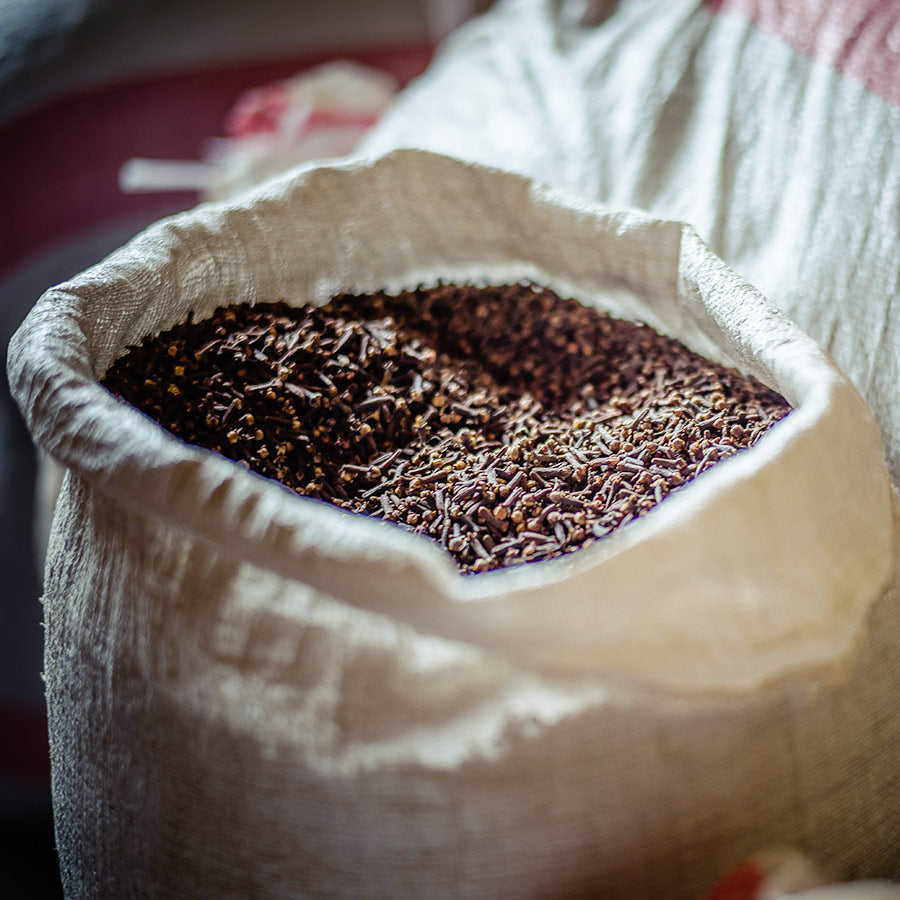
- Whole cloves release their aroma slowly and can be removed easily later. They are perfect for simmering in red cabbage, stocks or game dishes.
- Studded onion: Push whole cloves into an onion and let it simmer with your dish.
- In a tea bag: For stews, place 2–3 cloves in a tea bag or infuser and remove before serving.
- Ground cloves: Add them directly to your mixture – but use sparingly, as the spice is intense.
Professional preparation methods
For more advanced kitchen techniques, there are also specialised methods:
- Temperature-controlled infusion: Simmer whole cloves in liquids (stocks, syrups, dairy) at 71–82 °C for 15–20 minutes. This precise temperature range extracts an optimal amount of eugenol without releasing bitter compounds.
- Clove oil emulsion: Mix 1 part clove essential oil with 10 parts neutral oil and add drop by drop to finished dishes. This allows very precise control of intensity.
- Dry toasting: Toast whole cloves dry for 90 seconds until fragrant, then grind immediately before use. This can increase volatile aroma compounds by around 37% compared to pre-ground cloves.
Origin and quality
Where cloves grow
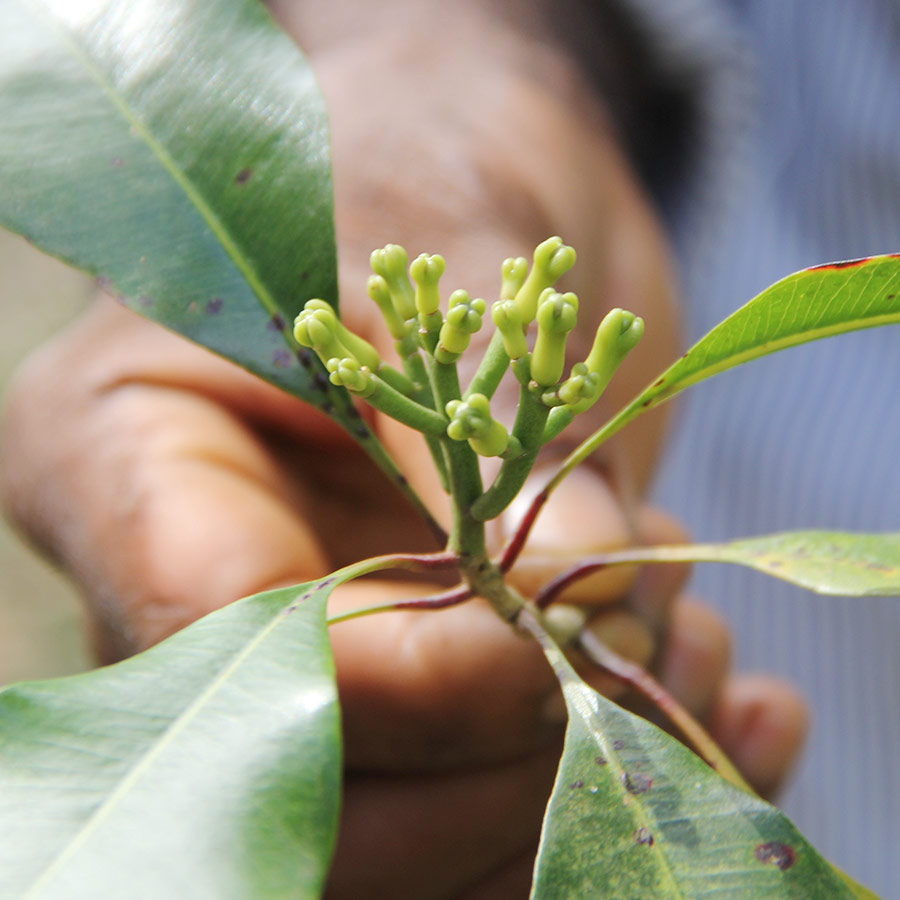
Cloves come from the flower buds of the clove tree, which can grow over 10 metres tall. The most important regions of origin include Sansibar, Madagascar and the Indonesian Moluccas. These regions provide the ideal climate for cultivating this precious spice.
Freshness and storage
You can recognise quality by its aromatic intensity. Fresh cloves have a wonderful orange-like scent and a very pronounced aroma. Ground cloves should be used sparingly, as they release their flavour faster than whole cloves.
Flavour pairings
Cloves harmonise beautifully with other spices. They pair especially well with:
- cinnamon, nutmeg and cardamom
- anise
- cumin, coriander and turmeric (for oriental dishes)
Experiment with small quantities to find what best suits your taste.
A spice with history
Cloves are not only a staple in modern cooking – they have been cherished for centuries. A lovely tip from British-Irish cuisine: in traditional Irish stews, whole cloves are often pushed into an onion and simmered along – for a spicy aroma that develops quietly yet impressively.
Whether you use them as a classic festive spice, as a bold element in savoury dishes, or as a subtle note in spice blends – cloves add character and depth. The key is to respect their intensity and dose thoughtfully. That is how your dishes become true flavour experiences.
Why buy 1001 Organic cloves?
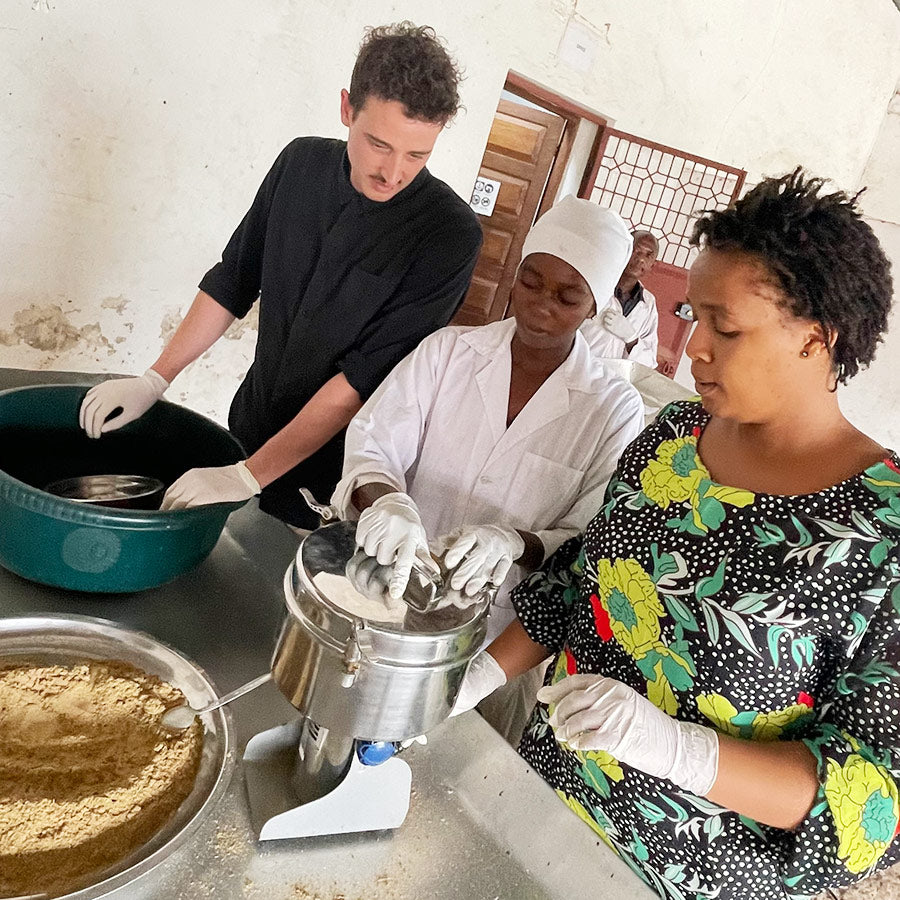
At 1001 Organic, we believe in the standards of fairness, sustainability and freshness. Our cloves from Sansibar are carefully selected and sourced directly from small-scale farmers. Through direct trade without intermediaries, we ensure farmers receive fair prices and benefit from value creation. With every purchase, you support not only your own enjoyment, but also the livelihoods of people on the ground.
Our light-protecting tube packaging helps keep clove aromas fresh for longer. Trust the quality of our products – because enjoyment and responsibility go hand in hand.
FAQs about cloves
How do you use cloves in the kitchen?
Cloves can be used in both savoury and sweet dishes. A popular method is studding an onion for stocks, or refining red cabbage. In sweet dishes, they add a warm, spicy note.
What should I keep in mind when storing cloves?
Store cloves in a cool, dark place in an airtight container to preserve freshness and aromatic strength.
How many cloves should I use per dish?
In general, one whole clove per dish is sufficient. For ground cloves, about 1/16 teaspoon per portion is recommended.
Where do 1001 Organic cloves come from?
Our cloves come directly from small-scale farmers in Sansibar, where we grow and harvest them under fair conditions.
What makes 1001 Organic cloves special?
1001 Organic cloves are fresh and aromatic, and they support the local economy through fair prices for farmers and the creation of local jobs.
Can I use cloves in teas?
Yes, whole cloves can also be used in teas. The best way is to place them in a tea bag so they are easy to remove afterwards.
How can I vary the clove flavour in my dishes?
You can vary the clove flavour by combining them with spices like cinnamon, nutmeg or anise, and by adjusting the dosage to achieve the desired intensity.
What are the benefits of buying 1001 Organic cloves?
Buying 1001 Organic cloves guarantees an intense flavour experience while supporting sustainability, social responsibility and freshness through direct support of small-scale farmers in Sansibar.
Are your cloves natural and unprocessed?
Yes, our cloves are natural, sourced directly from small-scale farmers in Sansibar and free from additives. We place great value on quality and authentic flavour.
Trust our spices and enrich your kitchen with the unique aroma of cloves – always fresh and sustainable, only from 1001 Organic.






Bestsellers























Natural & Fair
• Sustainable farming practices
• Local communities
• Direct partnerships
• Effective value creation at the source of the spices
• Farm to Kitchen concept
• Protection of biodiversity
• Fair working conditions

