


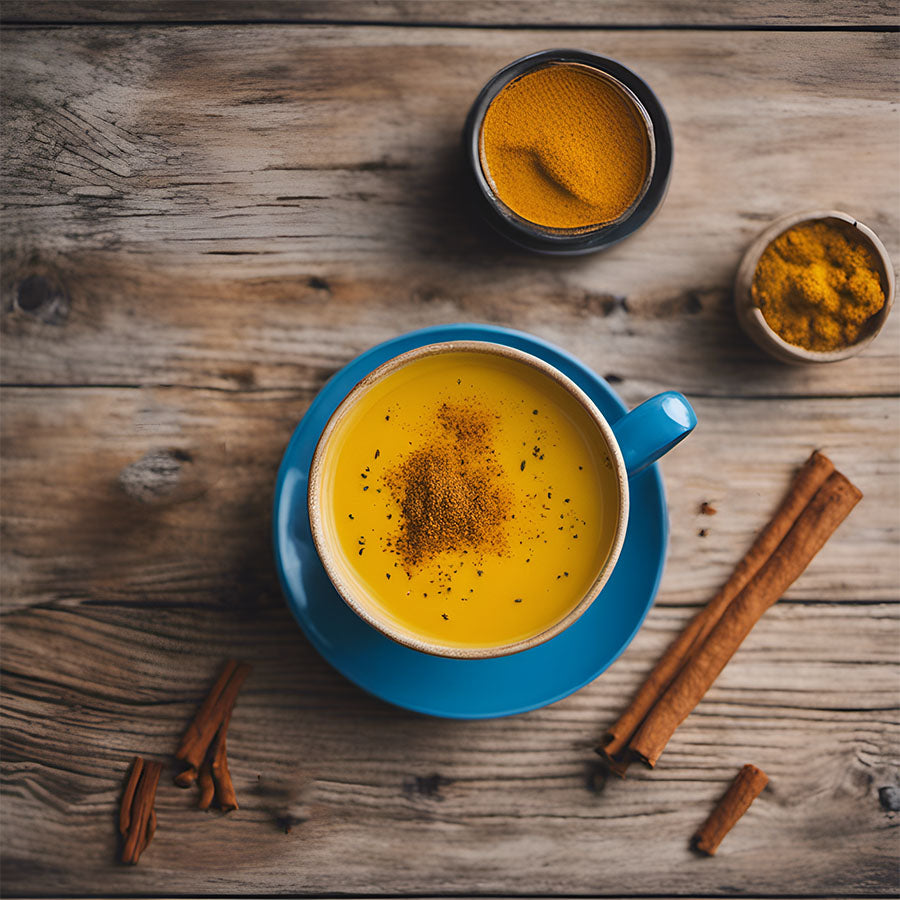
Turmeric, also known as curcuma or turmeric root, is a versatile spice with a long history in the cuisine and culture of South and Southeast Asia. The root of this plant brings vibrant colour and distinctive aroma to your dishes. Discover the world of turmeric and why sourcing it from high-quality, sustainable partners like 1001 Organic truly makes a difference.
What is turmeric?
Origin and roots
Turmeric, also known as curcuma, turmeric root or “yellow ginger”, originates from South and Southeast Asia, particularly India. It has been part of local culture and cuisine for over 4,000 years. The plant belongs to the ginger family. The usable part is the rhizome – the rootstock – which is used fresh or dried as a spice and natural colouring agent.
Appearance and processing
- Fresh: turmeric appears as a knobbly, orange-yellow root.
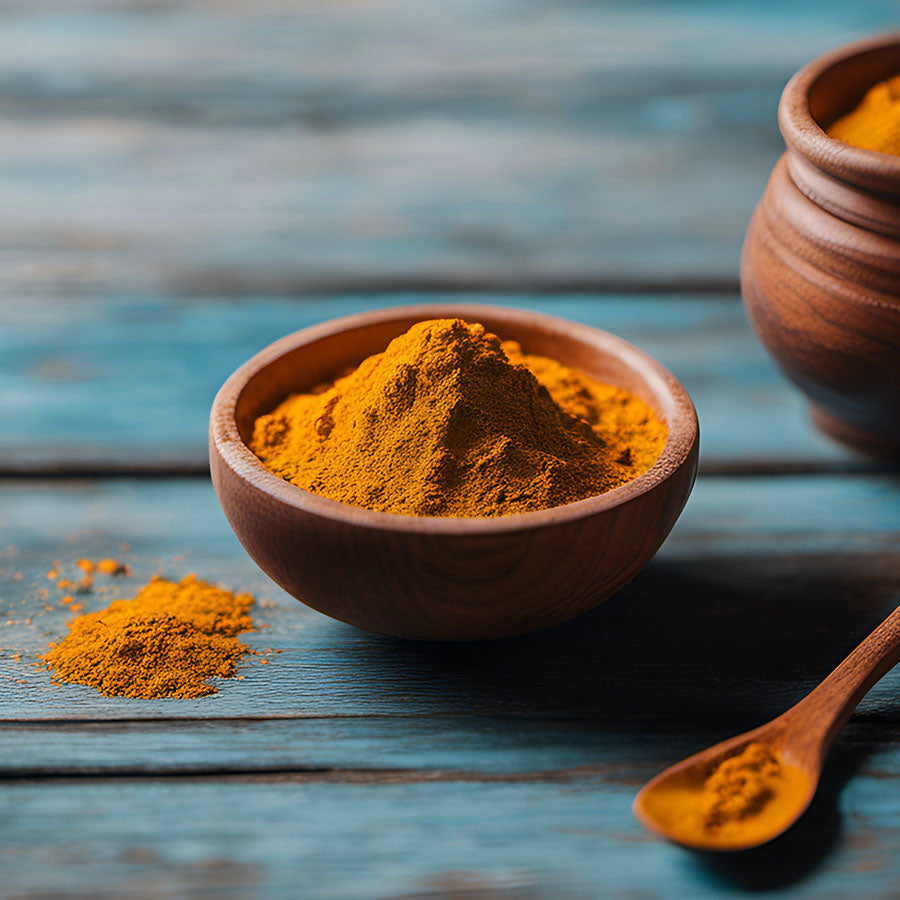
- Dried: it is ground into powder – the characteristic, intensely yellow turmeric powder.
Flavour and aroma
Turmeric has a spicy, earthy and slightly bitter flavour. When fresh, the root is sharp and resinous; when dried, it becomes milder with a subtle bitterness. Be careful when seasoning: too much turmeric can quickly make a dish bitter – less is often more. Turmeric releases its full aroma when heated, so it is best added during cooking.
Using turmeric in the kitchen
Typical uses
- Key ingredient in curries: turmeric gives many spice blends – especially curry – their bright yellow colour and harmoniously binds the flavours.
- Rice, vegetable and stew dishes: a staple in Indian and Asian cuisine, but also a highlight in modern, creative cooking.
- Golden milk: a warming trend drink made with milk, honey, pepper and often ginger.
- Smoothies, yoghurt and juices: turmeric integrates beautifully into fresh drinks and breakfast recipes.
- Salads & dressings: adds that special touch to carrot salad, quinoa bowls or creamy dips.
- Pasta, soups and sauces: turmeric brings both colour and flavour to pasta doughs, stews and vegan dishes.
Practical tips
- Turmeric develops its aroma best when heated with a little fat and a pinch of pepper.
- Fresh turmeric root can be found in Asian grocery stores; the powder is versatile and has a long shelf life.
- Combine turmeric with ginger, cumin, coriander or cinnamon to create refined blends and spice mixes.
Turmeric in everyday nutrition
Key components
- Curcumin: the natural pigment responsible for the intense yellow colour.
- Essential oils and resins: they create the characteristic aroma and balanced earthy flavour.
- Additional components: dietary fibre, iron, manganese, copper, vitamin B6 and potassium.
Enjoyment with responsibility
When you source turmeric directly from 1001 Organic in Zanzibar, you support fair partnerships, local value creation and ecological responsibility – for more joy in cooking and a good feeling on your plate.
Stories & tradition
In India and Southeast Asia, turmeric has played a central role for thousands of years – not only in the kitchen, but also in culture and daily life. Turmeric is known as the “spice of life” and is traditionally used as a symbol of purity, luck and prosperity. The root tells stories of craftsmanship, patience and the passion of farmers who cultivate it sustainably in mixed forest systems – often in small family-run farms dedicated to quality.
Turmeric from 1001 Organic – sustainability and social impact
- Direct trade: turmeric from small-scale farmers in Zanzibar ensures fair prices and creates local jobs.
- Sustainable agroforestry: promotes biodiversity and protects the climate.
- Transparent supply chain: from the field straight to your kitchen – every step is traceable and honest.
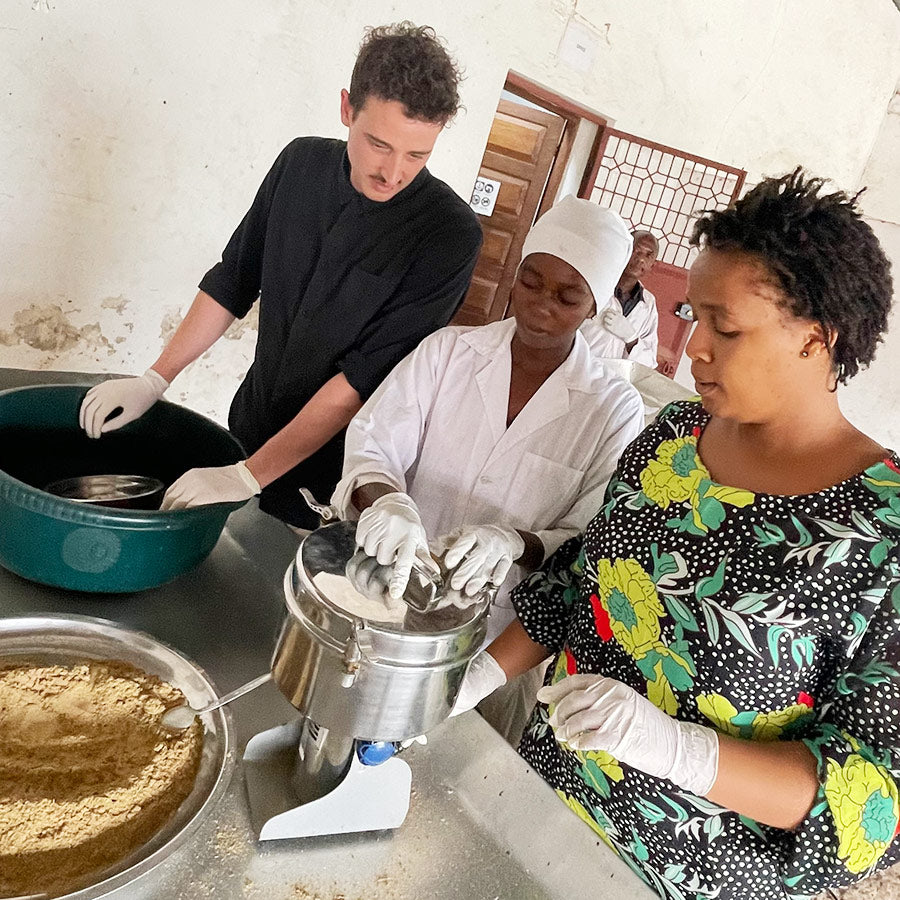
- Locally processed: freshly ground and packed for maximum flavour and freshness.
Daily enjoyment tips
- Add a pinch of turmeric to your breakfast cereal, porridge or yoghurt.
- Enhance rice, vegetables or homemade soups with the golden powder.
- Prepare a golden milk for a warming start to the day.
- Try creative salad dressings or dips with turmeric, lemon and olive oil.
- Explore curry and lentil recipes or bake homemade turmeric bread.
Conclusion: turmeric in your kitchen
Turmeric from 1001 Organic is far more than just a spice – it represents lived responsibility, sustainable enjoyment and pure inspiration. With every dish, you bring not only colour and aroma into your kitchen, but also support fair partnerships and the stories of the people at the source. Let the golden flavour inspire you and become part of a movement where enjoyment and responsibility go hand in hand.
FAQs about turmeric spice
What is turmeric and where does it come from?
Turmeric, also known as curcuma, is a plant native to South and Southeast Asia, especially India. It has been used in cooking and culture for thousands of years.
How do I use turmeric in the kitchen?
Turmeric is ideal for curries, rice dishes, salads and even drinks such as golden milk. It releases its aroma best when heated with a little fat.
Does turmeric have health benefits?
While we cannot make health claims, turmeric is known for adding unique flavour and aromatic depth to a wide range of dishes.
Why should I buy turmeric from 1001 Organic?
Turmeric from 1001 Organic comes directly from small-scale farmers, is fairly traded, sustainably grown and freshly processed in Zanzibar – supporting local communities while delivering high quality.
How should turmeric be stored?
Store turmeric powder in a cool, dry place in airtight packaging to preserve its freshness and aroma.
Is fresh turmeric better than powder?
Fresh turmeric has a more intense aroma, while the powder lasts longer and is more versatile. Both forms have their own advantages.
How can I integrate turmeric into my daily diet?
You can easily add turmeric to curries, stews, breakfast dishes or creative recipes. It pairs well with many other spices.




Bestsellers





















Natural & Fair
• Sustainable farming practices
• Local communities
• Direct partnerships
• Effective value creation at the source of the spices
• Farm to Kitchen concept
• Protection of biodiversity
• Fair working conditions

