


Asparagus has a distinctive flavour that is particularly appreciated during its short season. White asparagus tastes delicate, slightly sweet and sometimes pleasantly bitter. Green asparagus, on the other hand, has a stronger, somewhat nutty note. Whether boiled, fried or roasted in the oven, the right spices for asparagus highlight these differences and turn this seasonal vegetable into a versatile dish.
We offer selected herbs and spices that you can use to enhance asparagus in different ways. Black Pepper complements its natural flavour, Organic Basil pairs well with green asparagus, and our Organic Herbes de Provence are ideal for aromatic oven-baked dishes. A small amount of nutmeg can also be an interesting addition to white asparagus served with a creamy sauce. This allows you to vary the flavours of your favourite recipes without overpowering the delicate taste of asparagus.
Which Spices Go Best with Asparagus?
When seasoning asparagus, a light touch is worthwhile. White asparagus in particular has a delicate natural flavour that can quickly be overshadowed by very intense spice blends. Green asparagus, on the other hand, can often handle stronger herbs and peppery spices, especially when pan-fried or grilled.
Salt and Black Pepper provide a good foundation for many asparagus dishes. Herbs such as basil, thyme and oregano also play an important role. Nutmeg can be used sparingly too, for example in cream sauces or a creamy asparagus gratin.
These Spices Complement Asparagus Particularly Well
- Black Pepper: Adds a subtle heat and is suitable for both white and green asparagus.
- Nutmeg: Gives creamy asparagus dishes a warm, delicately spiced note.
- Basil: Pairs particularly well with green asparagus, tomatoes, pasta or Parmesan.
- Thyme: Complements pan-fried asparagus with a savoury herbal flavour.
- Oregano: An interesting choice for Mediterranean asparagus stir-fries and oven-baked dishes.
- Rosemary: Suitable in small amounts for green asparagus with roasted flavours.
- Garlic: Combines well with olive oil and pan-fried green asparagus.
- Citrus zest: Adds freshness and creates a pleasant contrast to the natural flavour of asparagus.
The combination you choose depends mainly on the preparation method. For classic white asparagus with potatoes, salt, pepper and a light sauce are often sufficient. With green asparagus served with pasta or vegetables, you can be more adventurous with the seasoning.
White and Green Asparagus Need Different Seasonings
Although both types of asparagus come from the same plant species, they differ noticeably in flavour and preparation. White asparagus grows underground and therefore does not develop a green colour. Green asparagus grows above ground and produces chlorophyll through exposure to sunlight.
There are also differences when cooking. White asparagus is normally peeled completely and cooked in water. Green asparagus usually only needs peeling at the lower end if the stalks are woody there. It is particularly suitable for pan-frying, grilling and short cooking times in the oven.
White Asparagus: Mild and Delicately Seasoned
For white asparagus, we recommend seasoning that allows its natural flavour to take centre stage. Salt, a little Black Pepper and, if desired, a hint of nutmeg are often sufficient.
This combination pairs particularly well with melted butter, a light cream sauce or Hollandaise sauce. A small amount of lemon juice can add extra freshness. As many traditional asparagus sauces are already well seasoned, you should avoid adding unnecessarily strong seasoning to the asparagus stalks themselves.
Green Asparagus: Stronger and More Versatile
Green asparagus develops light roasted flavours when pan-fried or grilled. Mediterranean herbs, garlic and Black Pepper pair particularly well with these aromas. You can use our Organic Basil, for example, to enhance asparagus pasta. Organic Herbes de Provence are ideal for oven-roasted green asparagus, while a little oregano gives a vegetable stir-fry a distinctly Mediterranean note.
Green asparagus is particularly suitable for trying different spice combinations and discovering which flavours you enjoy most.
Black Pepper for Balanced Asparagus Seasoning
Pepper is one of the easiest ways to round out the flavour of asparagus. Its warm, peppery heat complements both delicate white asparagus and the more robust green variety. It creates a particularly pleasant contrast in dishes containing butter, olive oil or Parmesan.
Our Black Pepper comes from Tanzania and is offered as whole peppercorns. Alongside its characteristic heat, it has delicate aromas reminiscent of cocoa, lemon and flowers.
You can grind the peppercorns fresh immediately before use and decide on the quantity yourself.
It Is Better to Add Pepper After Cooking
For boiled white asparagus, we recommend adding Black Pepper just before serving. This allows you to adjust the seasoning precisely without significantly influencing the delicate flavour during cooking.
For pan-fried green asparagus, you can also add the pepper towards the end of cooking. It pairs particularly well with a little olive oil, fresh lemon juice and grated Parmesan. For approximately 500 g of asparagus, a few turns of the pepper mill are enough to start with. You can then carefully add more if needed.
Organic Basil for Green Asparagus with Pasta
Green asparagus pairs particularly well with a light pasta sauce. Its robust flavour complements olive oil, lemon zest and Parmesan, while basil contributes a mild herbal note.
Our Organic Basil comes from the mountainous regions of Kosovo. The leaves are gently dried and have a sweet, slightly peppery aroma. The product consists of 100% organic basil and is available in a 15 g pack.
The herb is particularly suitable for asparagus dishes with pasta, tomatoes or a light cream sauce.
Using Basil in Asparagus Dishes
When preparing green asparagus with pasta, you can add the dried basil to the pan with a little olive oil and pasta cooking water. This helps distribute the aroma evenly.
For two portions, half a teaspoon is sufficient to start with. For a larger vegetable stir-fry, you can adjust the amount accordingly. We recommend avoiding frying basil in very hot oil for an extended period. Brief heating over moderate heat is enough to combine the herb with the other ingredients.
Nutmeg for Creamy Asparagus Dishes
Nutmeg is often associated with mashed potatoes or vegetable gratins. It can also be an interesting addition to creamy asparagus dishes. Its warm flavour pairs particularly well with milk, cream and butter.
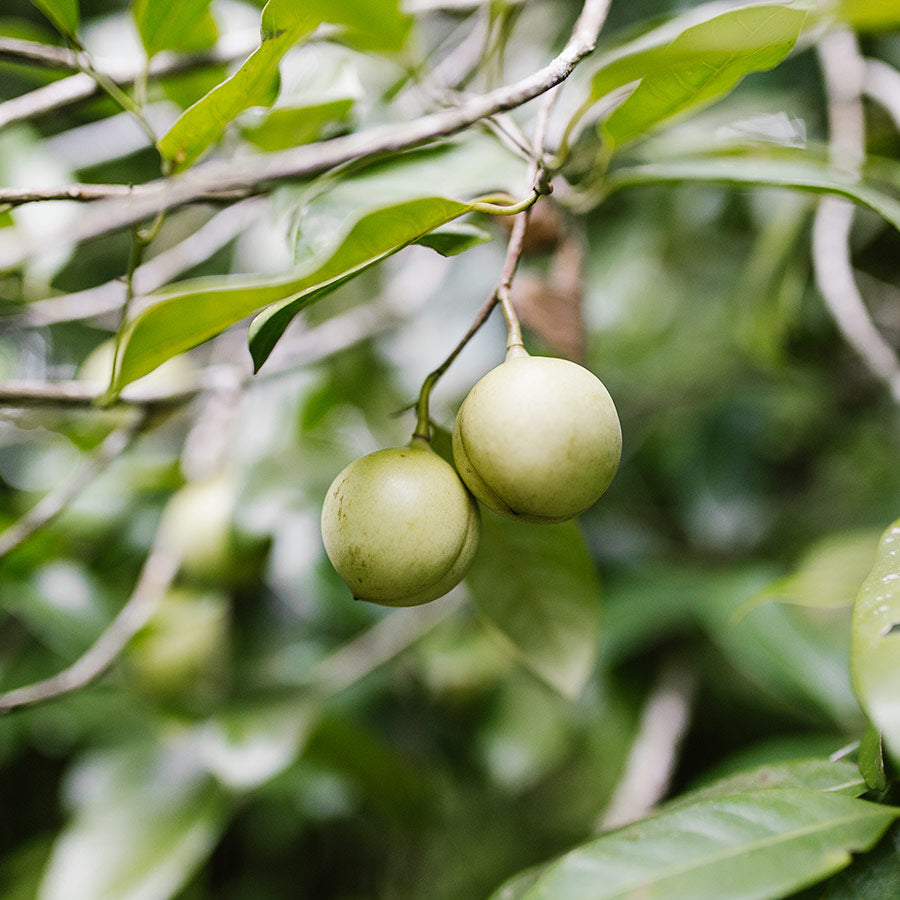
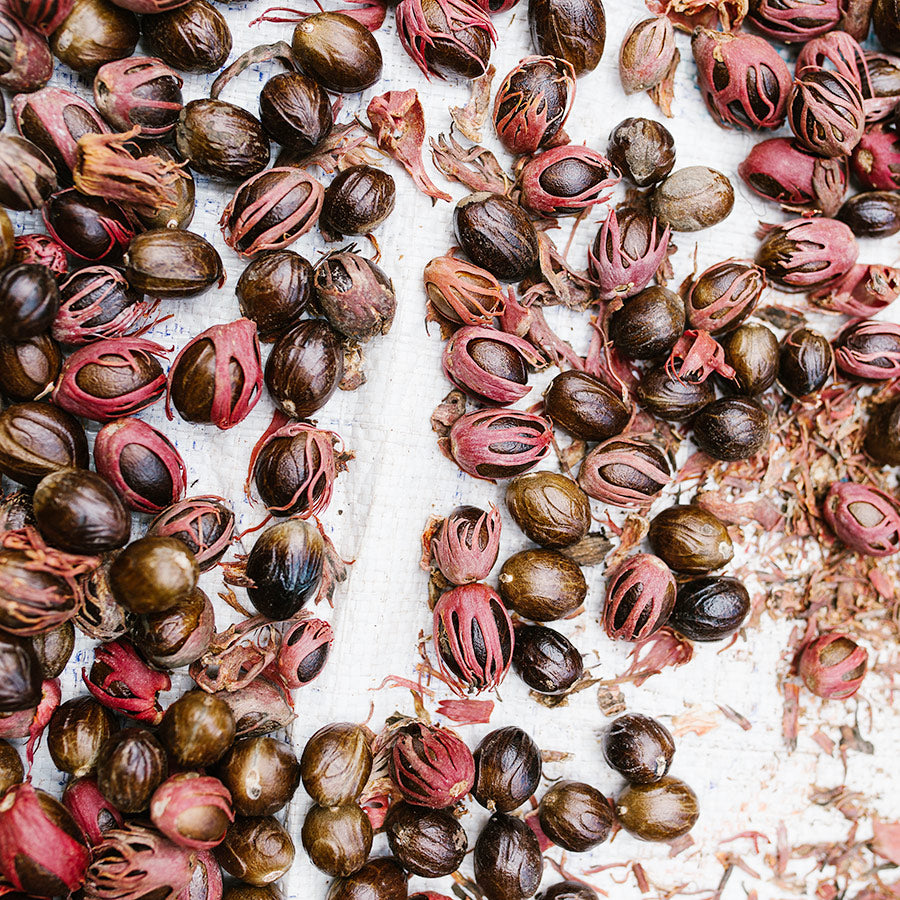
Our Nutmeg comes from Tanzania and is offered as whole nutmeg. It has an intense aroma with nuances of citrus zest, eucalyptus and tropical warmth. Because the spice is very strong, a small amount of freshly grated nutmeg is sufficient.
When Does Nutmeg Pair Well with Asparagus?
Nutmeg can particularly enhance the flavour of asparagus with béchamel sauce, asparagus gratin or creamy asparagus soup. For a sauce containing approximately 250 ml of milk or cream, start with a very small pinch. Stir it in and taste before adding more.
For asparagus served simply with a little olive oil and lemon, we would prefer Black Pepper or basil instead. Nutmeg should only be used in normal, small culinary quantities.
Organic Herbes de Provence for Oven-Roasted Asparagus
Green asparagus is easy to prepare in the oven. The stalks are tossed with a little oil, seasoned and cooked until tender, developing light roasted flavours in places. Herbs commonly used in vegetable bakes and Mediterranean dishes pair particularly well with this preparation.
Our Organic Herbes de Provence combines thyme, rosemary, basil, oregano, savory, bay leaves and lavender. The blend comes from Kosovo and is certified organic. The combination of herbs creates a complex, slightly bitter flavour. Rosemary and thyme in particular pair well with pan-fried or oven-roasted green asparagus.
A Simple Herb Seasoning for Oven-Roasted Asparagus
For approximately 500 g of green asparagus, mix one tablespoon of olive oil with half a teaspoon of Herbes de Provence. Add a little Black Pepper and distribute the herb oil evenly over the stalks.
The asparagus can then be roasted in the oven at approximately 200 °C using conventional top and bottom heat for around 10 to 15 minutes. The exact cooking time depends on the thickness of the stalks. Add salt to taste and serve the asparagus with a little lemon juice. If you prefer a stronger herbal flavour, you can increase the quantity slightly next time.
As our Herbes de Provence also contains lavender, we recommend using it sparingly so that the natural asparagus flavour remains noticeable.
Spices for Asparagus with Butter and Hollandaise Sauce
Classic asparagus is often served with potatoes, melted butter or Hollandaise sauce. In dishes like these, the sauce already contributes a large part of the overall flavour. The asparagus itself therefore does not need particularly intense seasoning.
For white asparagus with butter, salt and freshly ground pepper are often sufficient. With Hollandaise sauce, a little lemon juice and a small amount of pepper can complement its creamy texture.
Seasoning Ideas for Popular Asparagus Sauces
- Melted butter: Black Pepper and a little lemon zest.
- Hollandaise sauce: A little pepper and lemon juice for balanced seasoning.
- Cream sauce: A small pinch of freshly grated nutmeg.
- Herb yoghurt: Combine Organic Basil with fresh herbs and a little lemon juice.
- Olive oil dressing: Use Black Pepper and a small amount of oregano.
- Parmesan sauce: Pepper and a little basil complement the strong cheese flavour.
For sauces containing cheese or already salted butter, you should be particularly careful with additional salt. It is often sufficient to adjust the seasoning just before serving.
Lime Sea Salt for Fresh Asparagus Dishes
Citrus notes pair well with asparagus because they create a refreshing contrast to its slightly bitter flavour. A small amount of lime can be a particularly interesting addition to pan-fried or grilled green asparagus.
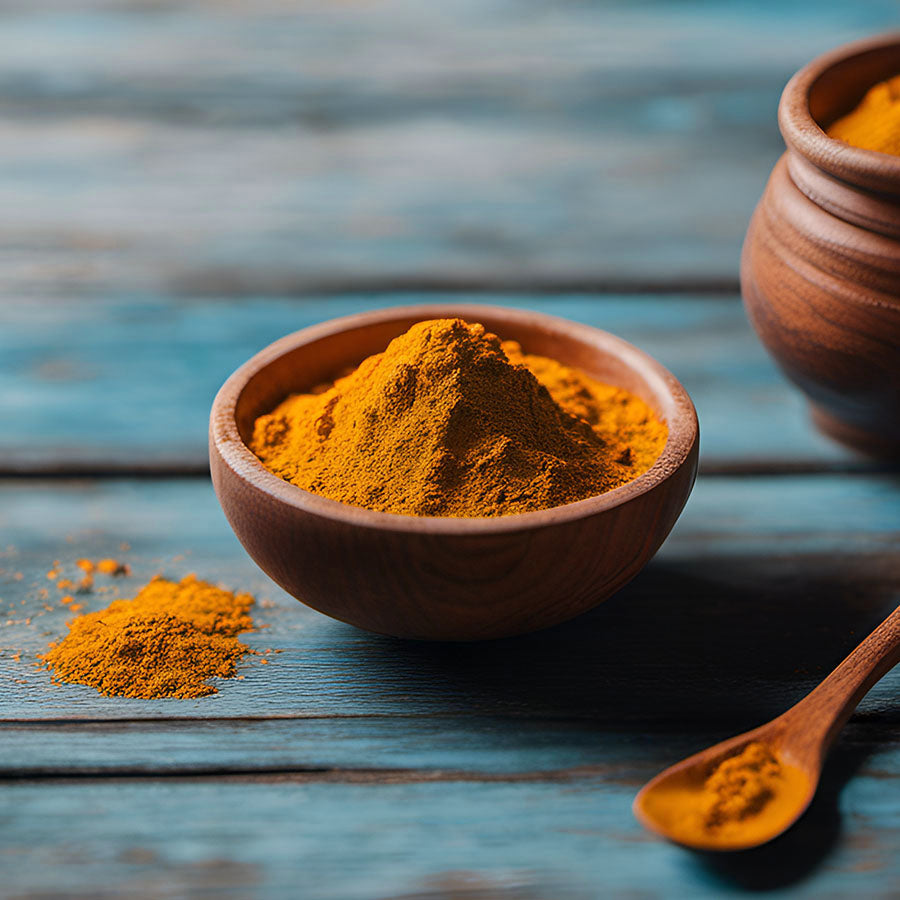
Our Lime Sea Salt contains salt, lime zest and turmeric. The blend comes from Tanzania and has a fruity, salty flavour. You can sprinkle a small amount over cooked asparagus or combine it with a little olive oil. This seasoning pairs particularly well with asparagus served with pasta, avocado or roasted vegetables.
Seasoning Asparagus with Citrus Notes
When using Lime Sea Salt, you should be sparing with any additional salt. Even a small amount can be enough to change the flavour. For 500 g of asparagus, we recommend starting with a small pinch. You can add a little more after serving if needed.
It is also worth being restrained when combining asparagus with fresh lemon or lime juice. Too much acidity can overpower its natural flavour.
Recipe: Spring Pasta with Green Asparagus and Organic Basil
For this recipe, we combine green asparagus with a light lemon sauce, Parmesan and our Organic Basil. The pasta absorbs the flavours of the asparagus, while Black Pepper adds a delicate spicy note.
The dish is particularly suitable for asparagus season and can be prepared without a heavy cream sauce.
Ingredients for Two Portions
- Green asparagus: 250 g green asparagus
- Pasta: 200 g pasta, such as linguine or tagliatelle
- Shallot: 1 small shallot
- Garlic: 1 garlic clove
- Olive oil: 2 tbsp olive oil
- Organic Basil: ½ tsp Organic Basil
- Black Pepper: Freshly ground Black Pepper
- Parmesan: 30 g freshly grated Parmesan
- Lemon juice: 1–2 tsp lemon juice
- Lemon zest: A little finely grated lemon zest
- Salt: Salt to taste
- Pasta cooking water: Approximately 100 ml pasta cooking water
Preparation
Wash the green asparagus and remove the woody ends. If the lower sections of the stalks are particularly tough, you can peel those parts as well. Then cut the asparagus into pieces approximately three centimetres long.
Cook the pasta in plenty of salted water according to the packet instructions until al dente. Reserve some cooking water before draining. Peel the shallot and garlic clove. Finely chop both and heat the olive oil in a large frying pan. Sauté the shallot first, then add the asparagus pieces.
Fry the asparagus over medium heat for approximately five to eight minutes. The exact time depends on the thickness of the stalks. Add the garlic towards the end and cook it briefly. Reduce the heat and add the Organic Basil, a little lemon zest and freshly ground pepper. Add the drained pasta to the pan with some of the cooking water and mix everything thoroughly.
Remove the pan from the heat and stir in the Parmesan. Add more pasta cooking water if needed until a light, smooth sauce forms. Season the dish with lemon juice and a little salt.
Serve the asparagus pasta immediately after preparation. If you prefer a stronger herbal note, you can sprinkle a small additional amount of basil over the dish before serving.
Pan-Fried Green Asparagus: How to Preserve Its Aromas
Pan-fried green asparagus can develop a more intense flavour than boiled white asparagus. Light roasted aromas develop particularly well over medium to high heat and pair nicely with pepper, garlic and herbs.
To prevent the asparagus from becoming too soft, cut the stalks as evenly as possible and avoid overcooking them. Thin stalks need considerably less time than particularly thick ones.
How to Add Spices When Pan-Frying
- Prepare: Wash the asparagus, remove the woody ends and dry the stalks thoroughly.
- Fry: Heat a little oil in a frying pan and cook the asparagus, turning occasionally.
- Add herbs: Reduce the heat and add Organic Oregano or Herbes de Provence.
- Season: Finish the cooked asparagus with Black Pepper, a little salt and lemon juice if desired.
Dried herbs in particular should not be left in very hot oil for unnecessarily long periods. They can burn and develop an unpleasant bitter taste.
Grilling Asparagus and Using Stronger Seasonings
Green asparagus develops particularly interesting aromas on the grill. The stalks can be cooked directly on a suitable grill grate or in a grilling tray. A little olive oil helps prevent them from drying out too much.
For grilled asparagus, we recommend combining Black Pepper, a little oregano and a small amount of olive oil. Organic Herbes de Provence also works well but should be used sparingly.
If you serve asparagus with halloumi, fish or other grilled vegetables, you should match the seasoning to the accompanying food. A strongly seasoned main dish often requires only lightly seasoned asparagus.
Three Ideas for a Barbecue Evening
- Mediterranean: Green asparagus with olive oil and Organic Oregano.
- Fresh: Asparagus with Lime Sea Salt and a little lemon juice added after grilling.
- Savoury: Asparagus with Black Pepper and freshly grated Parmesan.
For particularly thin asparagus stalks, a grilling tray is recommended to prevent them from falling through the grate. You can add some of the spices only after grilling to help preserve their aromas.
Seasoning Asparagus Without Overpowering Its Natural Flavour
Asparagus is one of those vegetables that does not always need intense seasoning. Fresh white asparagus in particular can already taste wonderfully aromatic with just a little butter and salt.
If an asparagus dish tastes too bland, the problem may not be a lack of herbs. Often, all that is missing is a little salt or a mild acidic element. Texture also plays a role: asparagus that is cooked for too long loses its pleasant structure.
Common Mistakes and Suitable Solutions
- Overseasoned: Use fewer herbs next time and choose one main seasoning.
- Too salty: Balance the flavour with unseasoned asparagus, potatoes or a mild side dish.
- Too bitter: Thoroughly remove the woody ends and, with white asparagus, the skin.
- Too soft: Shorten the cooking time and remove the asparagus from the water earlier.
- Not aromatic enough: Check the salt and add a little acidity before introducing further spices.
- Too dry: Add a little butter, olive oil or a suitable sauce.
You can compare different seasonings by trying a new spice on just a small portion of asparagus first. This allows you to assess the flavour without changing the entire dish.
Make Your Own Simple Asparagus Spice Blend
If you frequently prepare green asparagus, you can make a small herb blend to keep in reserve. Oregano, basil and thyme pair particularly well with pan-fried or oven-roasted asparagus.
For white asparagus, we would use such a blend more sparingly. A freshly prepared seasoning with pepper or nutmeg is often a better choice.
Ingredients for a Mediterranean Asparagus Seasoning
- Organic Basil: 2 tsp for a mild herbal note.
- Organic Oregano: 1 tsp for a stronger flavour.
- Dried thyme: 1 tsp as a savoury addition.
- Black Pepper: ½ tsp for a delicate, peppery flavour.
- Dried lemon zest: Optional ½ tsp for a fresh note.
Mix all the completely dried ingredients thoroughly and store the blend in a dry jar with a tight-fitting lid. For approximately 500 g of green asparagus, you can start with half a teaspoon of the blend. Add salt separately so you can adjust the amount to the preparation method.
This combination is a recipe idea and not a ready-packed asparagus seasoning from our range.
Buy Spices for Asparagus from 1001 Organic
Whether you serve white asparagus in the classic way with butter or prepare green asparagus with Mediterranean herbs, you can find suitable spices for different flavour profiles in our range.
Our Black Pepper is ideal for a delicate, peppery seasoning. With Organic Basil, you can enhance green asparagus dishes with pasta or tomatoes. Our Organic Herbes de Provence adds an aromatic herb blend to oven-roasted asparagus. For creamy sauces, we offer Nutmeg, while our Lime Sea Salt provides a fruity alternative.
This allows you to prepare varied asparagus dishes throughout the season and use the same spices for other vegetable dishes too.
Frequently Asked Questions About Spices for Asparagus
Which Spices Go Well with White Asparagus?
White asparagus tastes particularly good with light seasoning consisting of salt, Black Pepper and, if desired, a small amount of nutmeg. A little lemon juice can also complement its flavour. If you serve asparagus with butter or Hollandaise sauce, only a few additional spices are often needed to preserve its delicate natural taste.
Which Spices Are Suitable for Green Asparagus?
Green asparagus pairs particularly well with Black Pepper, basil, oregano, thyme and garlic. Herbes de Provence can also be used when pan-frying or grilling it. For a fresh flavour, lemon zest and a little Lime Sea Salt are also suitable. The deciding factor is the flavour profile you want to achieve.
When Should You Season Asparagus?
You can first cook white asparagus with a little salt and then season it with pepper or a suitable sauce. For pan-fried green asparagus, herbs can be added towards the end of cooking. Freshly ground pepper and citrus notes are particularly effective when added immediately before serving.
Does Nutmeg Go Well with Asparagus?
Yes, particularly in creamy asparagus dishes. A small pinch of freshly grated nutmeg can complement the flavour of béchamel sauce, asparagus gratin or asparagus soup. For plain asparagus served with olive oil, nutmeg is not necessarily needed. Because the spice is very intense, you should use only small, normal culinary quantities.
Which Spices Go with Asparagus and Hollandaise Sauce?
Black Pepper and a subtle lemon note pair particularly well with asparagus and Hollandaise sauce. The sauce already has a creamy, rich consistency and therefore usually does not require an extensive spice blend. If you want to try a different flavour, you can also add a small amount of fresh herbs.
Can You Season Asparagus with Herbes de Provence?
Yes. Green asparagus roasted in the oven or grilled pairs particularly well with a Mediterranean herb blend. Our Organic Herbes de Provence contains thyme, rosemary, basil and oregano, among other herbs. As the blend also contains lavender, we recommend using it carefully so that the asparagus flavour is not overpowered.
How Much Seasoning Do You Need for 500 g of Asparagus?
For 500 g of asparagus, you can start with approximately half a teaspoon of a mild herb blend. Much less is needed for strong individual spices such as nutmeg. Salt and pepper can be added to taste. White asparagus often benefits from more restrained seasoning than pan-fried green asparagus.
Which Spices for Asparagus Does 1001 Organic Offer?
Our range includes Black Pepper, Organic Basil, Organic Oregano, Organic Herbes de Provence, Nutmeg and Lime Sea Salt. These products can be used to prepare both classic and Mediterranean asparagus dishes. You can use the spices individually or create your own combinations for pan-fried, boiled and oven-roasted asparagus.


Bestsellers



















Natural & Fair
• Sustainable farming practices
• Local communities
• Direct partnerships
• Effective value creation at the source of the spices
• Farm to Kitchen concept
• Protection of biodiversity
• Fair working conditions

