

21 products














Spices are the true treasures of the kitchen. They bring flavour, colour and aroma to our dishes and are closely linked to the culture and history of the regions they come from. Discovering spices from around the world means uncovering stories of trade, tradition and social responsibility – especially when it comes to sustainable farming practices.
Insights into the world of spices
The importance of spices for enjoyment and culture
For thousands of years, spices have shaped our cuisines and cultures. They stand not only for taste, but also for tradition, identity and community. Spices take us on a journey through the stories behind their scents and aromas, creating a connection between people and their culinary roots.
The journey of spices – origins and trade routes
From the famous spice routes that once connected Asia, Africa and Europe to today’s modern trade networks, spices tell stories of encounters and adventures. These stories are deeply woven into the traditions and dishes of different cultures, making spices an essential part of every kitchen.
The most important single spices from around the world
Classics no kitchen should be without
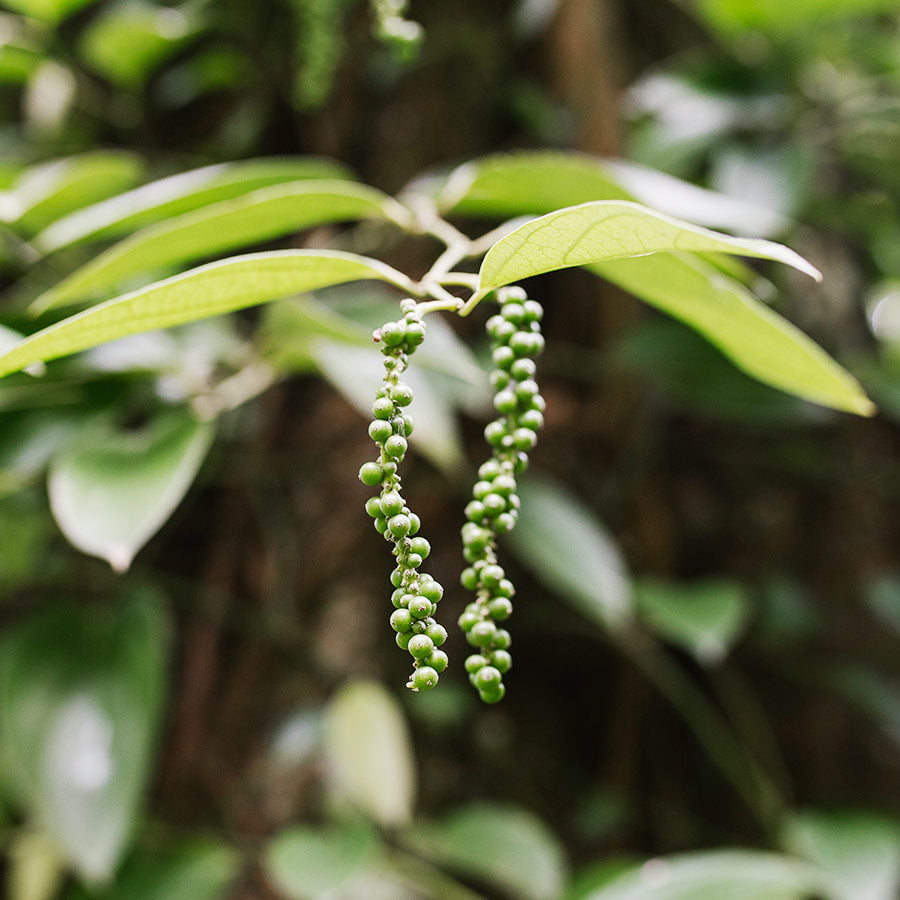
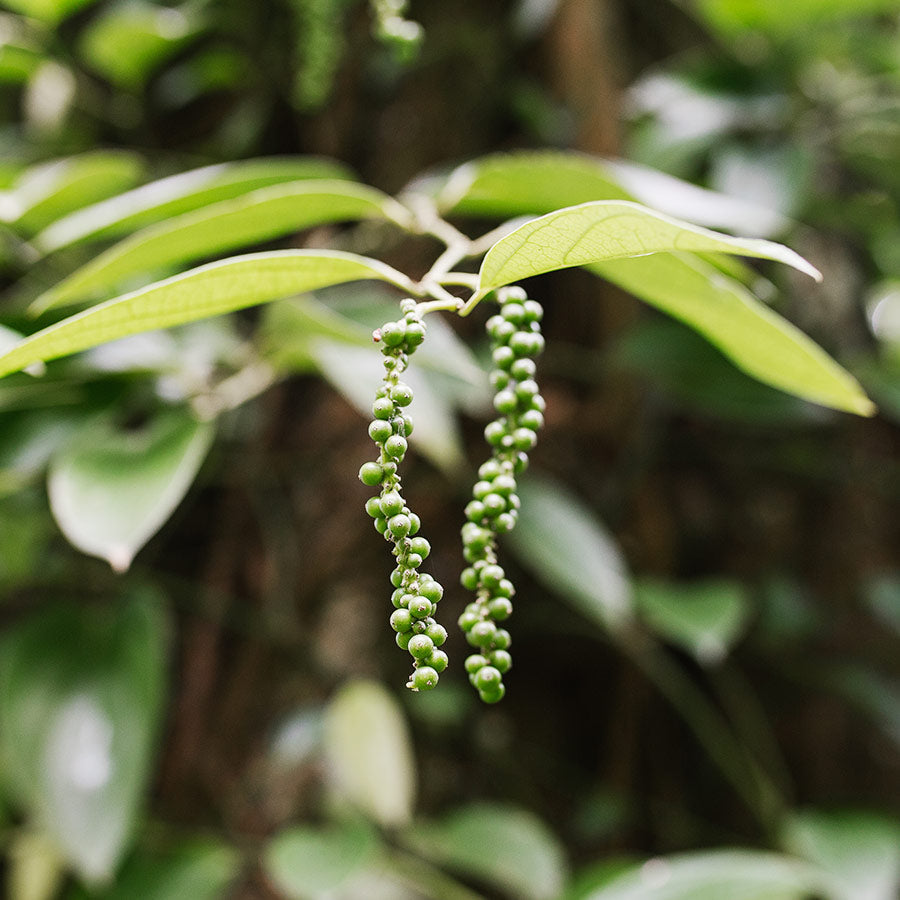
- Pepper – versatile and spicy, adding depth to any dish.
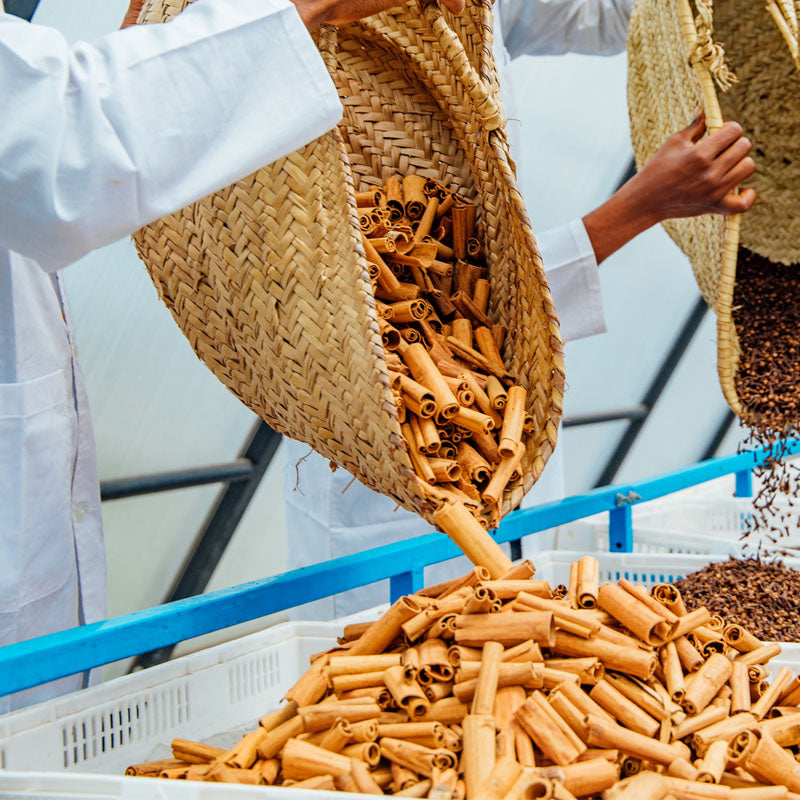
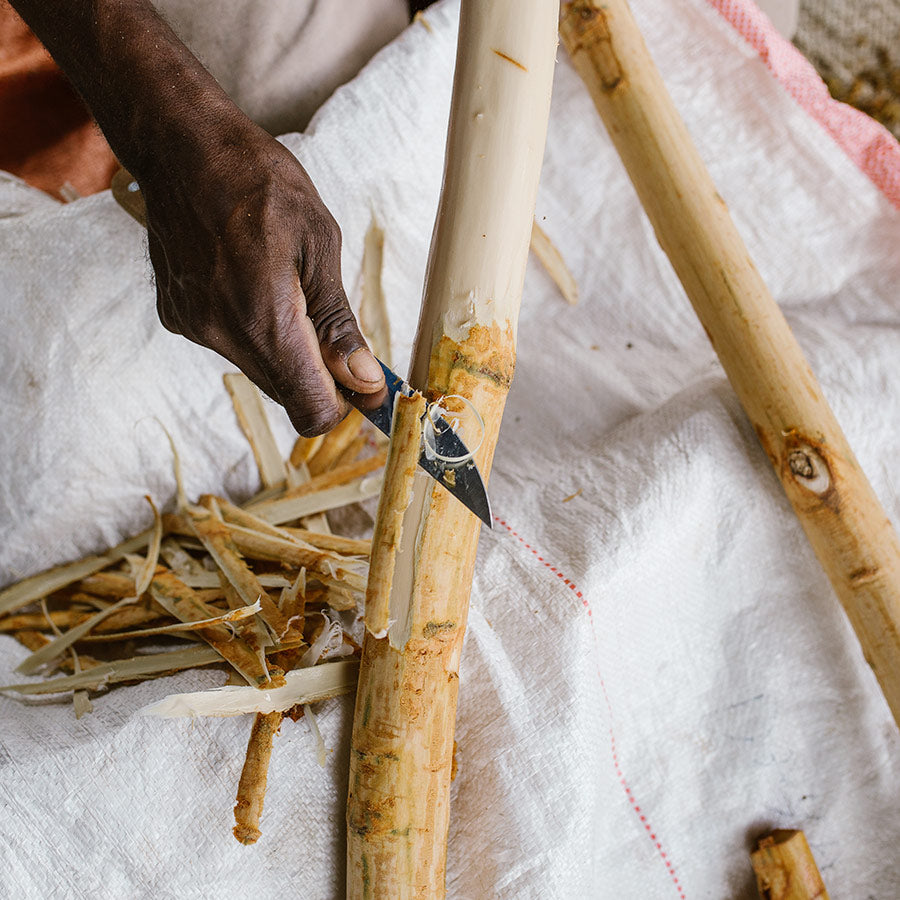
- Cinnamon – warm and sweet-spicy, ideal for baking and drinks.
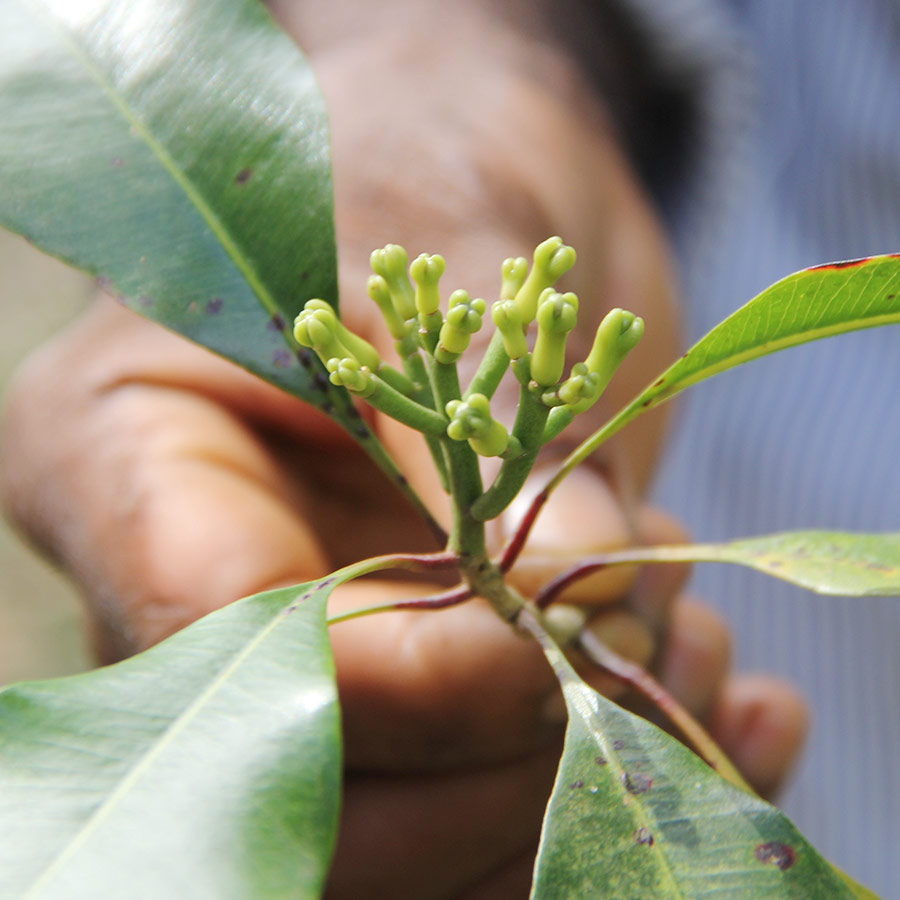
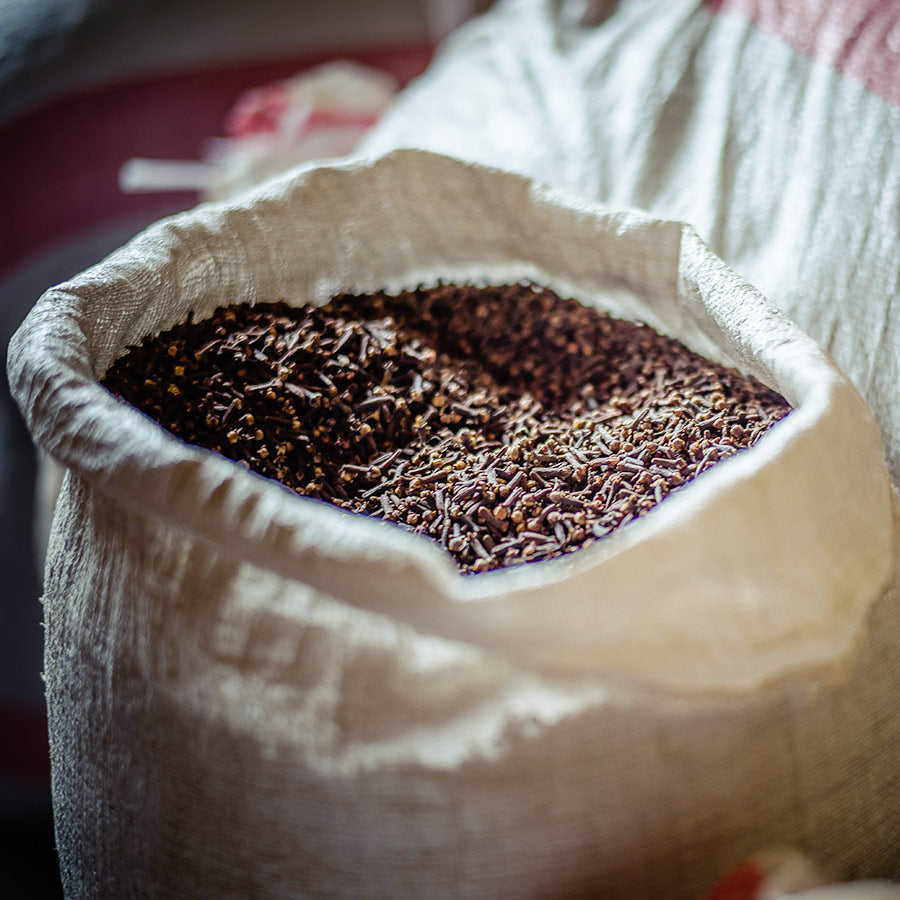
- Cloves – intensely aromatic, enhancing many dishes.
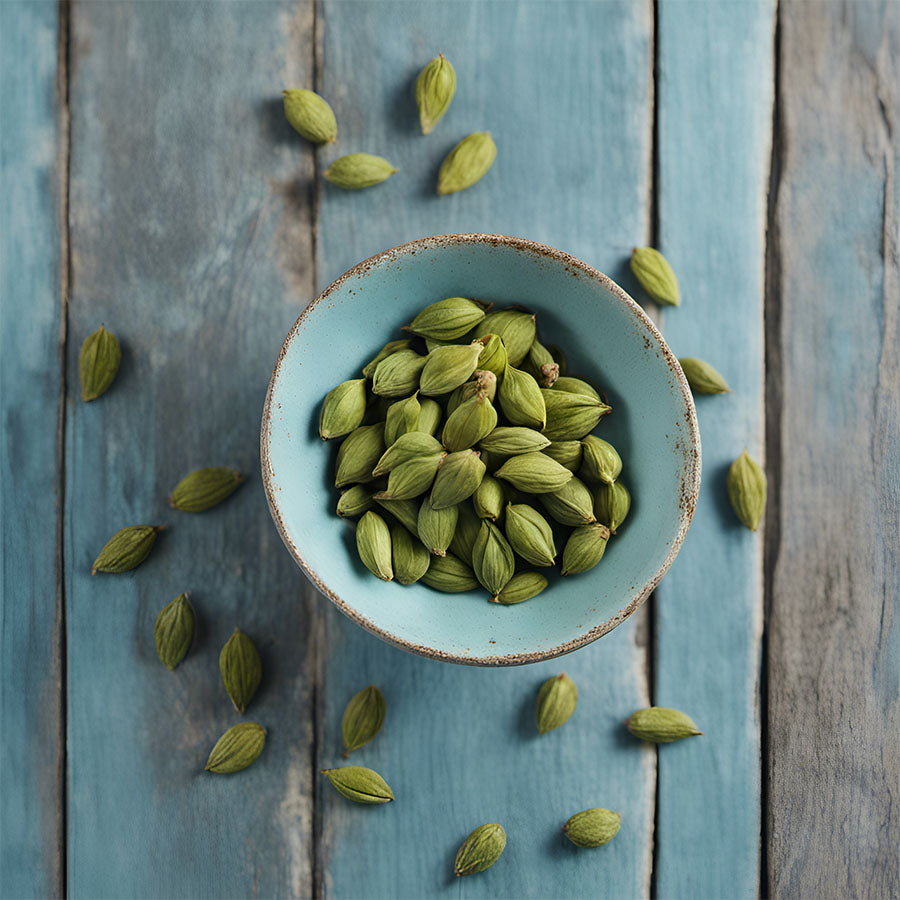
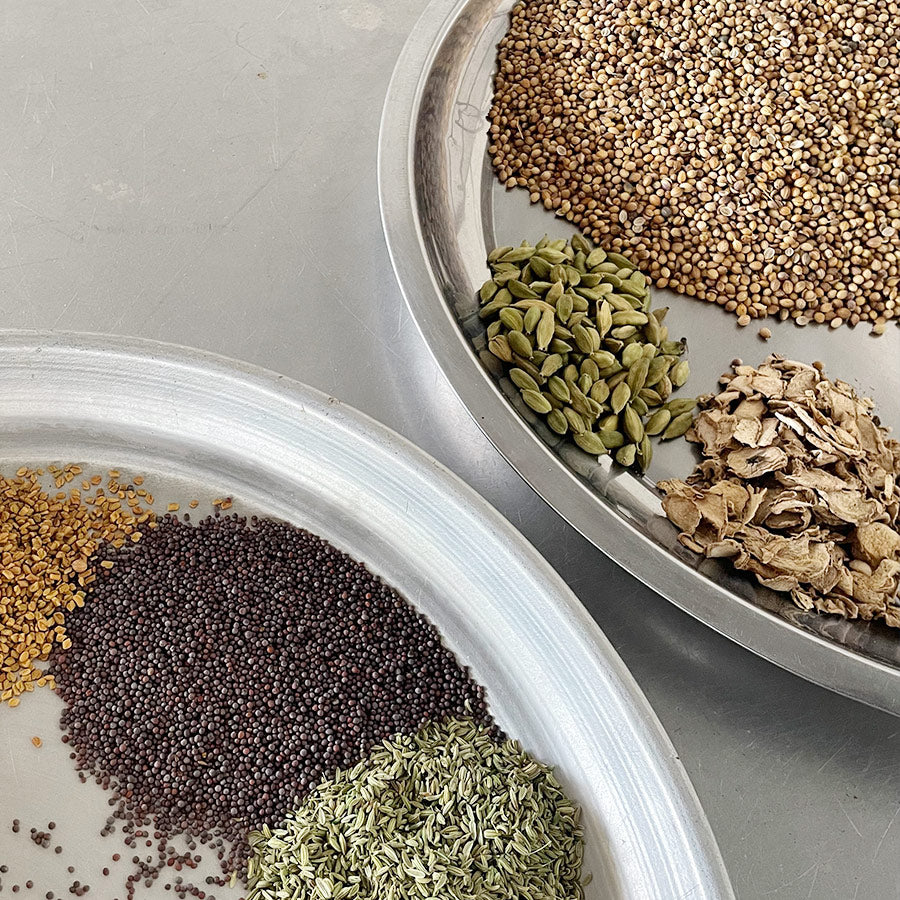
- Cardamom – fresh and lightly citrusy, perfect for desserts and coffee.
- Ginger – spicy and warming, bringing fresh accents to meals.
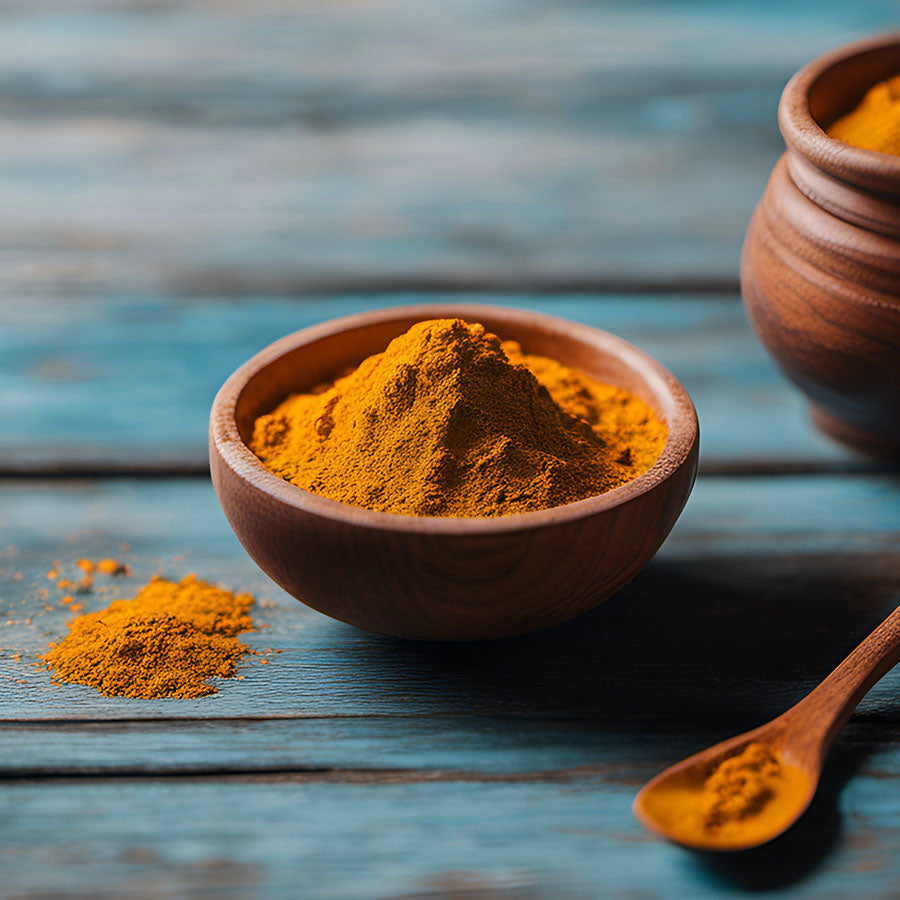
- Turmeric – earthy and mild, giving curries their characteristic colour.
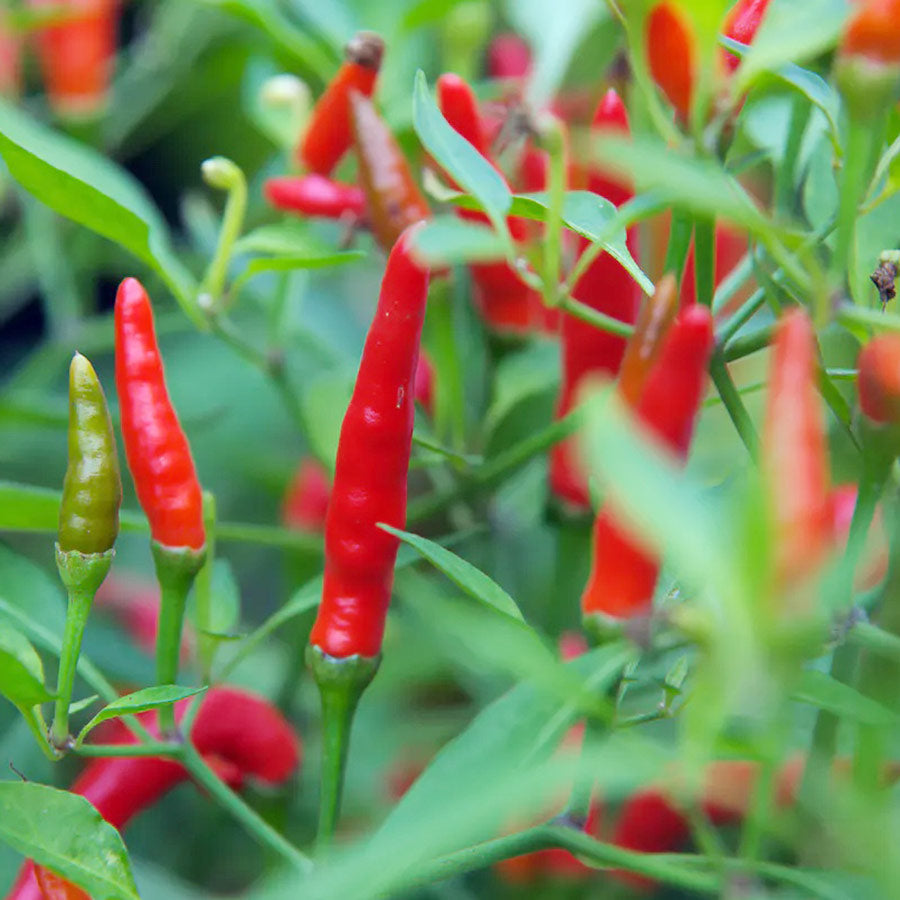
- Chilli – from mild to fiery, adding the right kick.
- Coriander – nutty and fresh, suitable for many uses.
- Cumin – aromatic and essential in many spice blends.
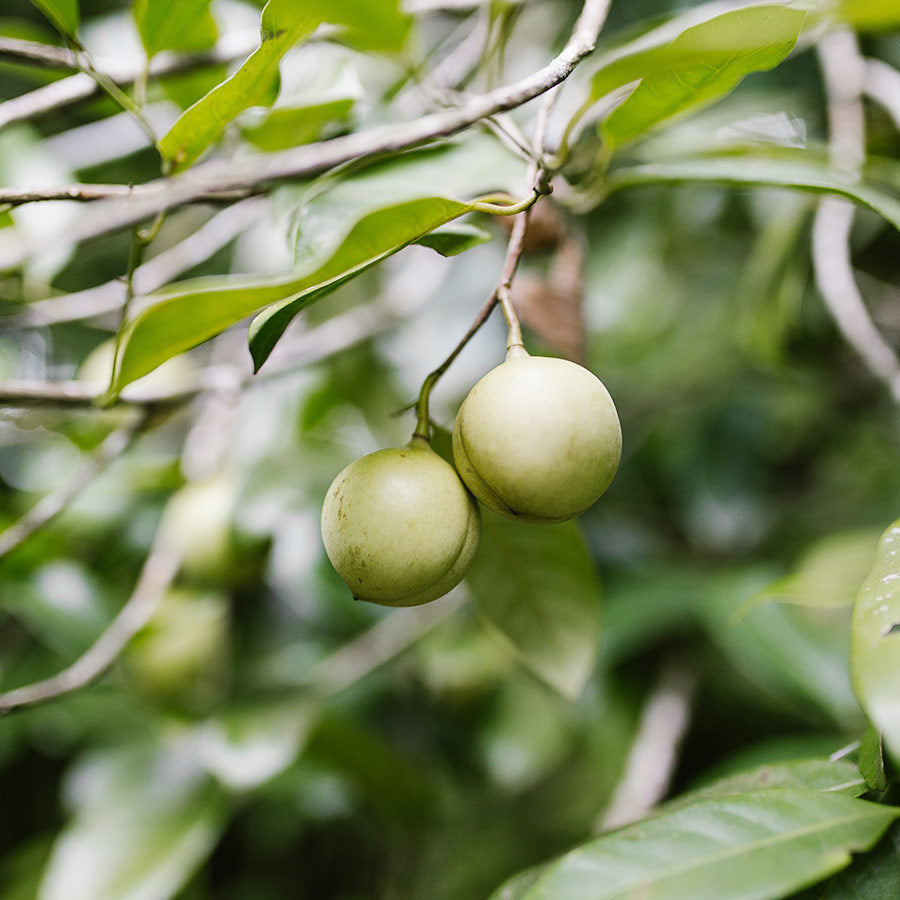
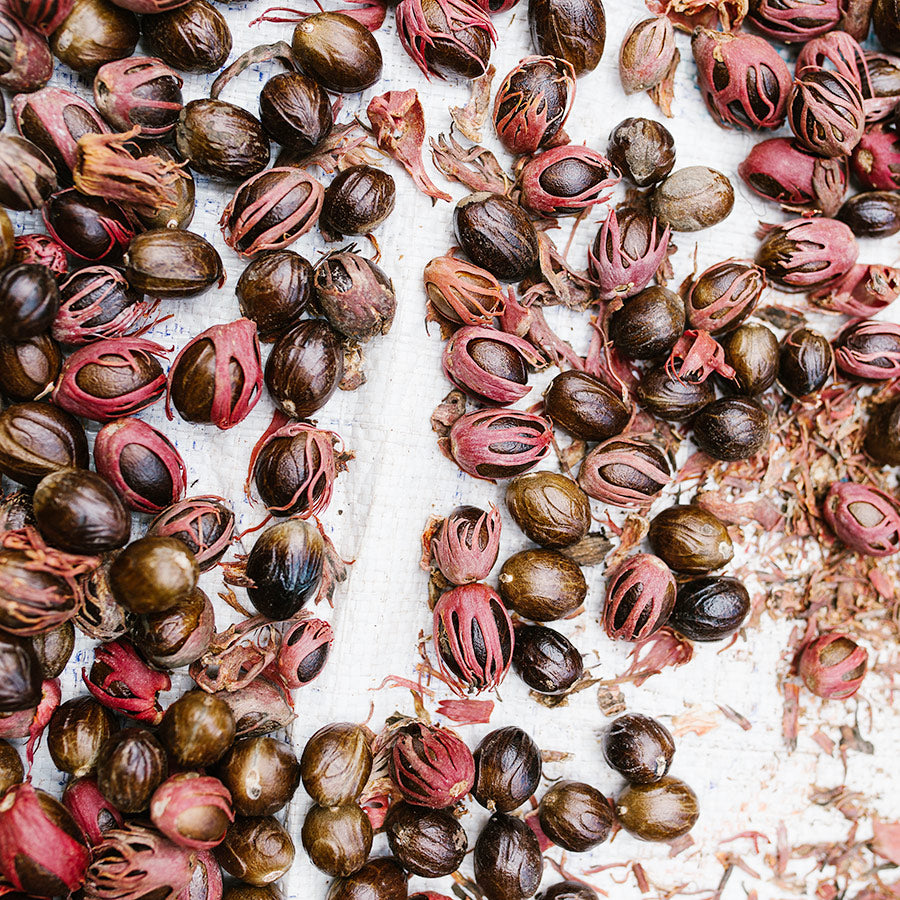
- Nutmeg – warm and nutty, perfect for sweet and savoury dishes.
- Saffron – refined and aromatic, turning any dish into a feast.
- Paprika – from mild to hot, adding colour and flavour.
Regional specialities and rare treasures
- Sumac – fruity and tangy, popular in Levantine cuisine.
- Anise – sweet and aromatic, ideal for teas and baked goods.
- Fennel – fresh and slightly sweet, common in Mediterranean dishes.
- Star anise – intense and fragrant, essential for sauces and teas.
- Allspice – combining notes of clove, cinnamon and nutmeg.
- Fenugreek – nutty and slightly bitter, essential in Indian curries.
Famous spice blends from around the world
India and South Asia
- Curry – an exciting blend of spices such as chilli, pepper and turmeric.
- Garam Masala – a bold blend usually containing cinnamon, cloves and cumin.
- Tandoori Masala – perfect for spicy marinades and grilled dishes.
Arab and North African spice traditions
- Ras el-Hanout – a fragrant blend with many spices that captivates the senses.
- Baharat – simple yet complex, defining these cuisines.
- Harissa – a hot paste made from dried chillies and spices.
- Za’atar – an aromatic blend with layered base flavours.
Europe and the Mediterranean
- Herbes de Provence – a French classic combining thyme and rosemary.
- Italian seasoning – oregano, basil and thyme for authentic pizza and pasta.
- Paprika blends – typical for goulash and hearty dishes.
Africa and the Americas
- Cajun seasoning – combining spices for a bold, spicy flavour.
- Berbere – an Ethiopian blend known for its powerful aromas.
- Jerk – a Caribbean blend ideal for marinated meat dishes.
Continents and their spice diversity
Africa – spices shaped by sun and diversity
Africa is known for its intense flavours. From Berbere to Harissa, the variety of spices reflects the continent’s rich culture. Many spices grow under fair conditions in mixed forests, helping to preserve biodiversity.
Asia – the home of the spice world
Asia is considered the heart of many spices: cinnamon from Sri Lanka, cardamom from India and star anise from China are just a few examples. Here, centuries-old traditions meet innovative farming methods that promote culinary diversity.
Europe – herbs and classic seasoning
European cuisines are famous for their herbs. Oregano and basil give Mediterranean dishes their distinctive flavour, with many regions placing great value on fresh, regional ingredients.
The Americas – spicy diversity and smoky aromas
Chilli and paprika dominate American cuisine, characterised by a wide range of spice blends such as Cajun and BBQ rubs. These spices encourage experimentation and a love of cooking.
Use and enjoyment – how spices enrich everyday life
Sensory experiences and aromatic diversity
Every spice brings not only a distinctive taste, but also a story. From breakfast eggs to exotic curry variations, spices transform everyday dishes into a symphony of flavours.
Tips for using spices in the kitchen
- Briefly toast your spices to release their full aroma.
- Freshly ground spices intensify flavours.
- Combine different spices to create new taste experiences.
Fairness, sustainability and transparency – the new spice world
Direct trade and social impact
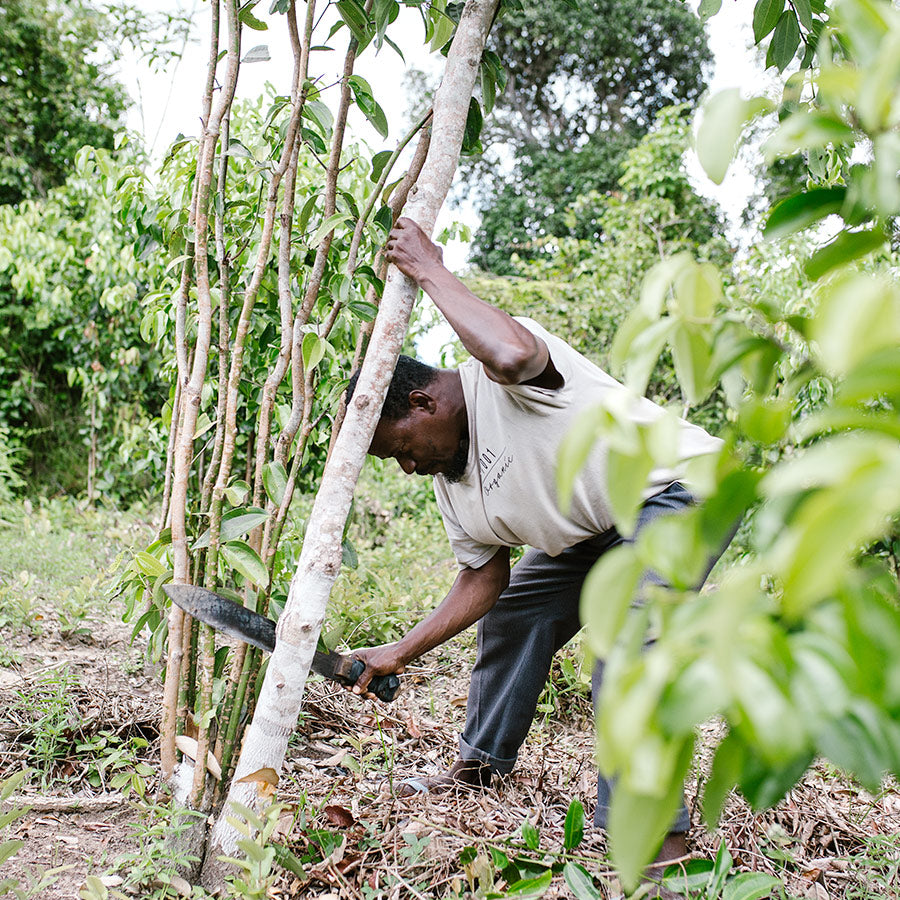
The future of spices lies in direct trade with small-scale farmers. Fair prices and long-term partnerships secure livelihoods and strengthen communities. Your purchase makes a positive impact.
Sustainable farming and biodiversity
Spices grown in harmony with nature are not only more flavourful, but also more environmentally friendly. Promoting mixed forests and agroforestry preserves biodiversity and protects the soil.
Transparency and authenticity
At 1001 Organic, transparency and social justice are at the core of everything we do. With every spice, you know where it comes from. A traceable supply chain ensures you can enjoy your food with a clear conscience.
Inspiration and stories – enjoyment that connects
The people behind the spices
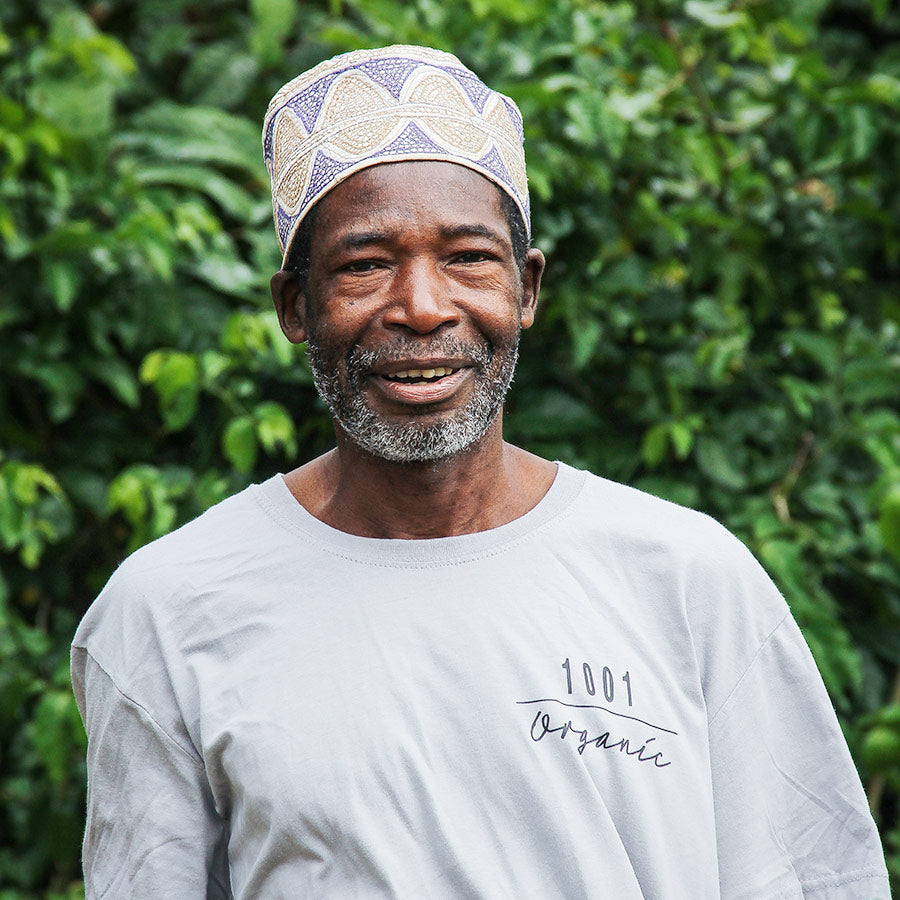
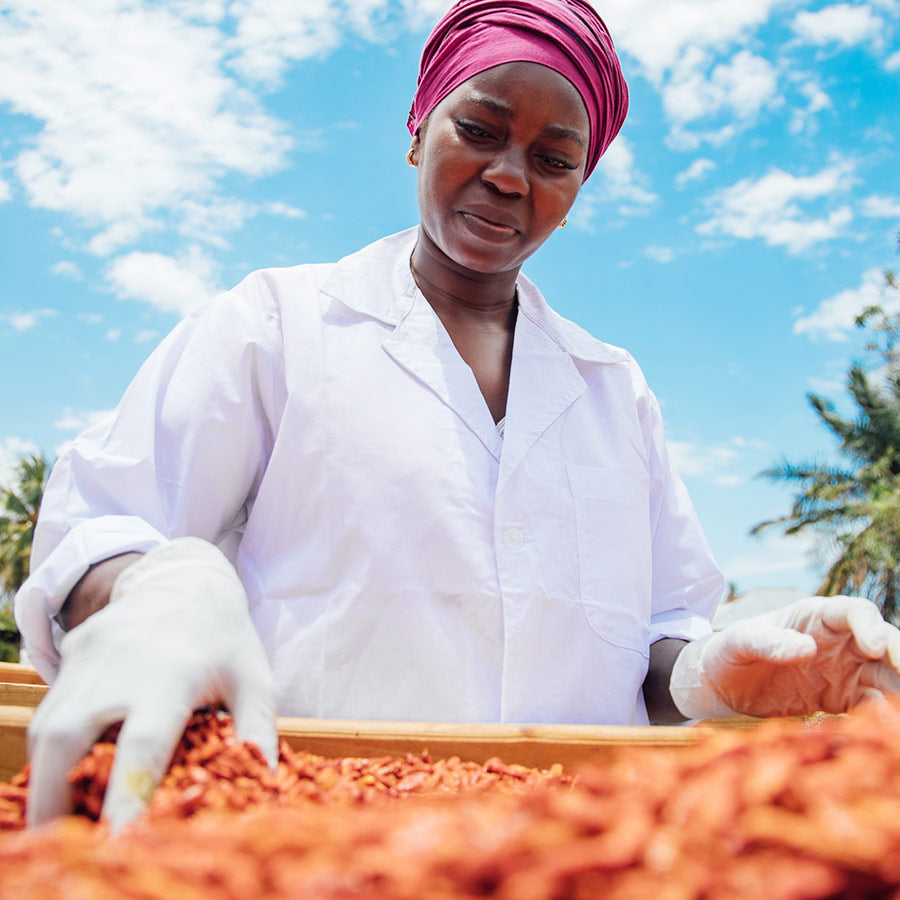
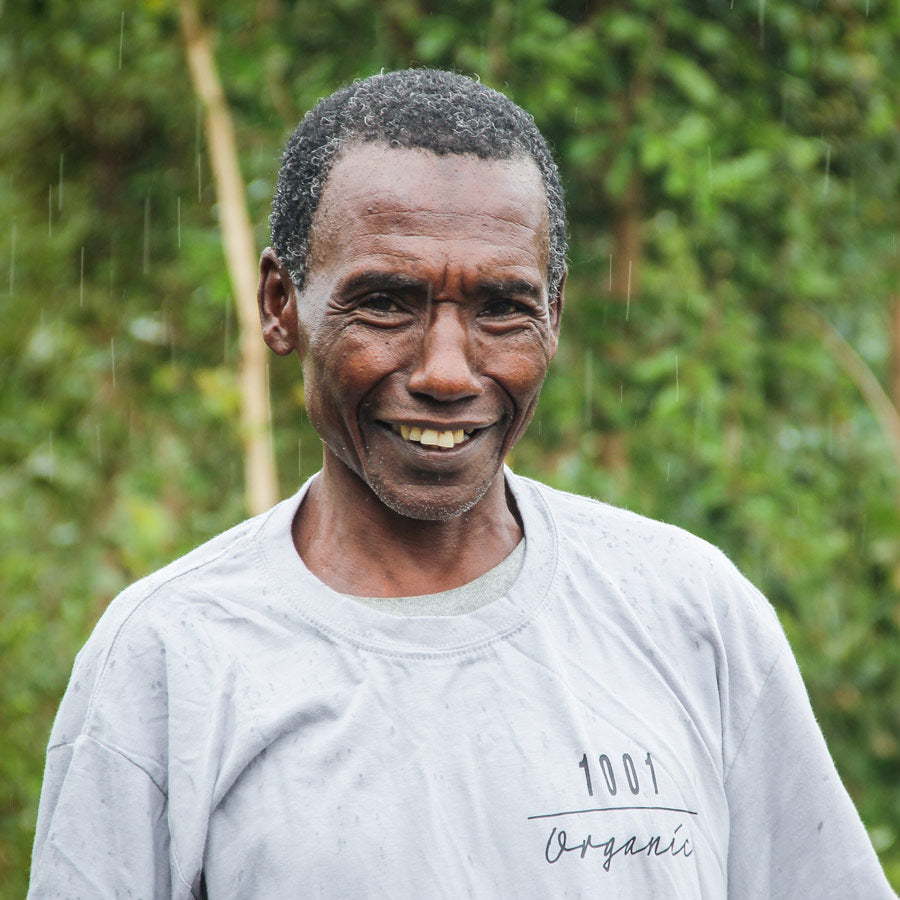
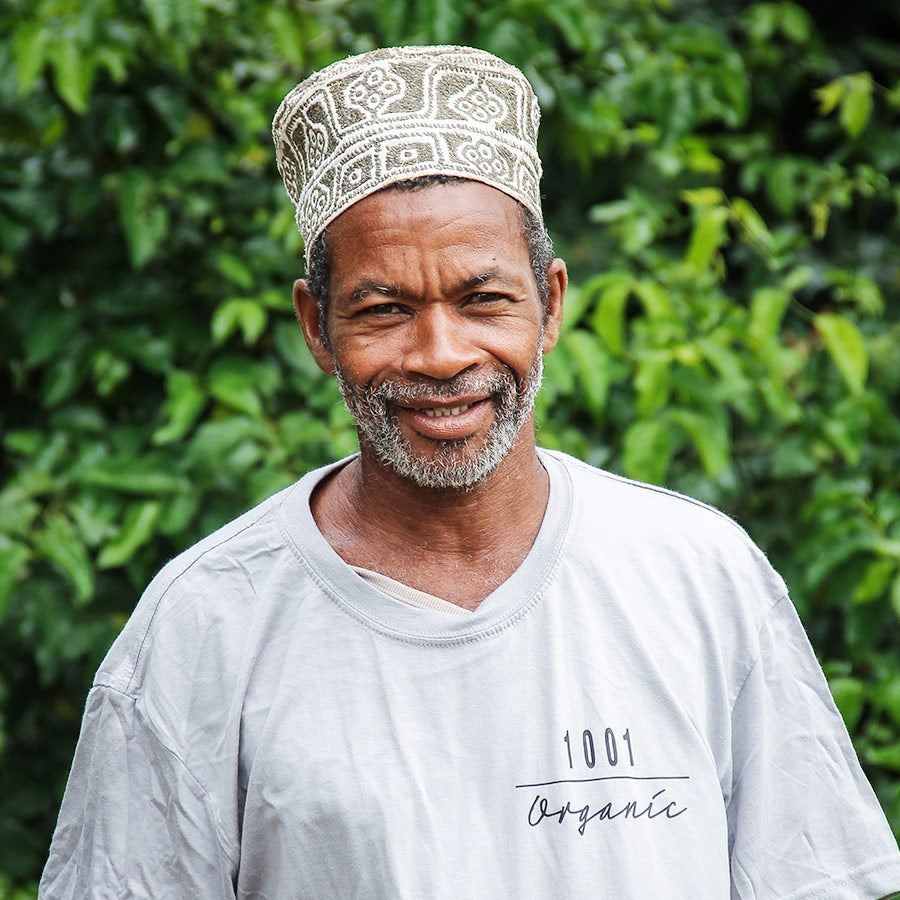
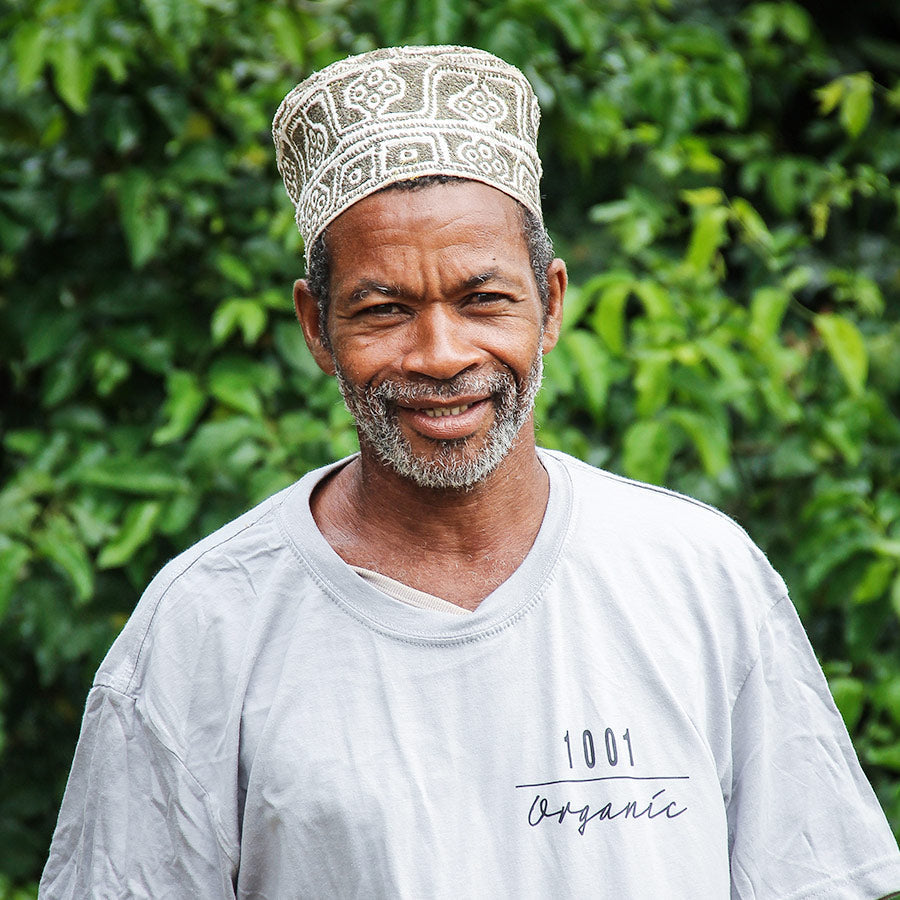
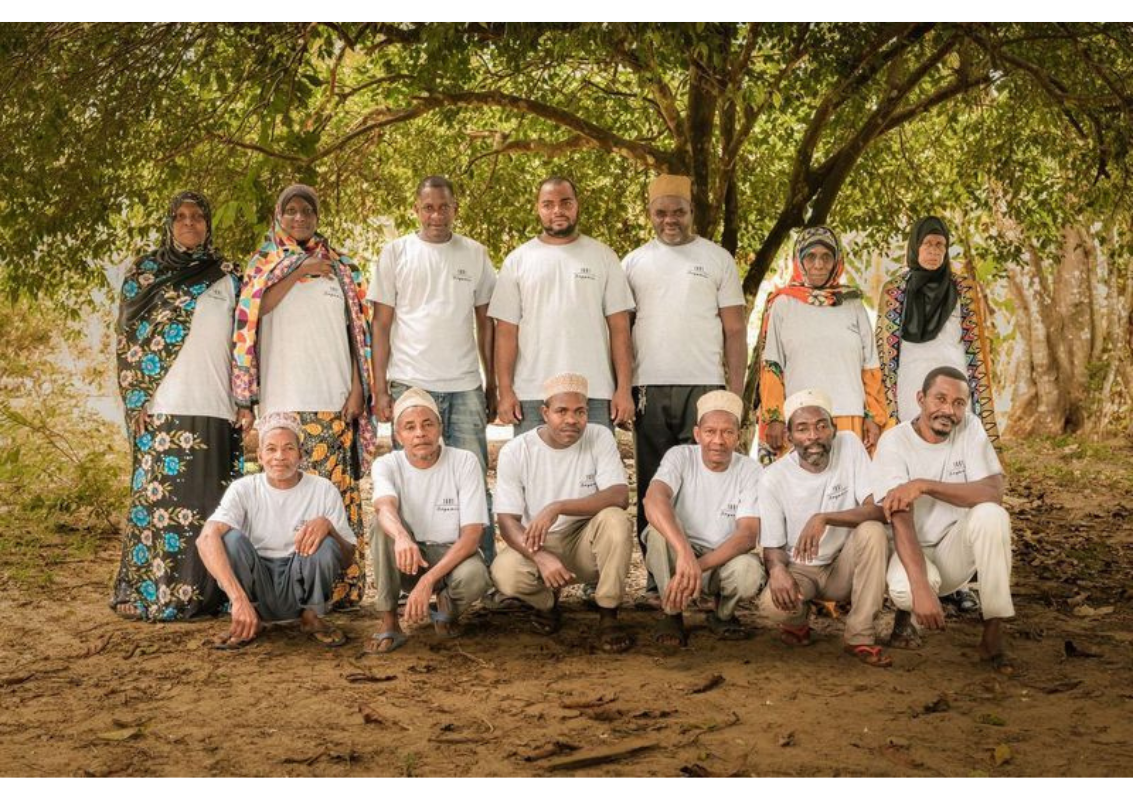
The true heroes of the spice world are the small-scale farmers. Their traditions, knowledge and passion for cultivation make each spice special. Every pack contains not just a spice, but a story of life.
Recipes and culinary adventures
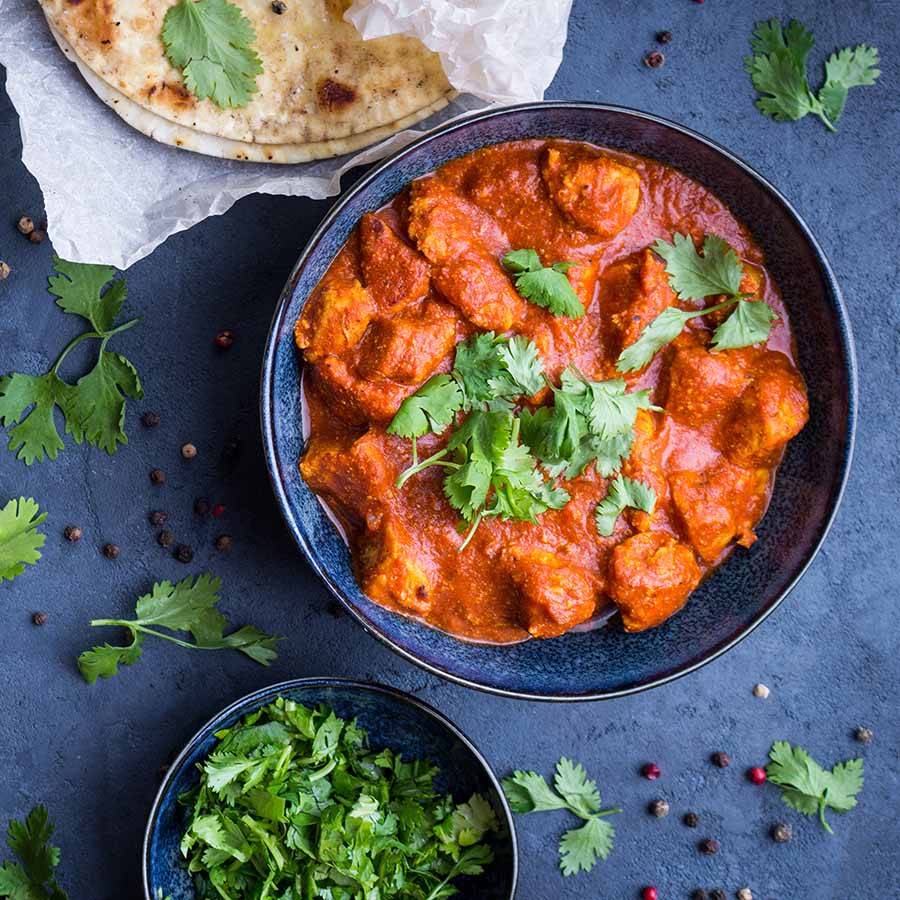
Discover new recipes and get inspired. Whether Indian curry, Moroccan tagine or Mediterranean pasta – with the right spices, every cuisine comes alive and enjoyment is elevated.
Spices from A to Z – discover diversity
From anise to lemongrass
The world of spices is vast. From A for Anise to Z for Lemongrass, each spice brings new aromas and stories. Explore endless possibilities in your kitchen and be inspired by diversity.
Your contribution – enjoyment with purpose
Taking responsibility with every spice
By choosing the right spices, you support small-scale farmers, protect the environment and strengthen communities. Every purchase becomes a small step towards a fairer and more sustainable world.
FAQ
How do I find the best spices for my kitchen?
Choose spices according to your taste and culinary preferences. Look for fresh, natural products from brands that stand for transparency and fairness, such as 1001 Organic.
Where can I buy spices from 1001 Organic?
You can purchase 1001 Organic spices directly from our online shop or from selected partner retailers in the DACH region and in Zanzibar. Every purchase supports small-scale farmers and local communities.
What makes 1001 Organic spices special?
Our spices come directly from small-scale farmers, are processed without intermediaries and guarantee maximum freshness and quality. Thanks to sustainable farming methods, we promote biodiversity and social justice.
How should I store spices properly?
Store spices in a cool, dry place and in light-protected packaging to preserve their freshness and aromas. The practical tubes from 1001 Organic help keep spices in optimal condition.
What is agroforestry and what are its benefits?
Agroforestry combines crop cultivation with trees, promotes biodiversity, protects soil and supports sustainable agriculture. At 1001 Organic, we actively rely on agroforestry systems.
How can I use spices creatively in my dishes?
Experiment freely: toast spices, create your own blends or add them to your favourite dishes to discover new flavour experiences.
Where do 1001 Organic spices come from?
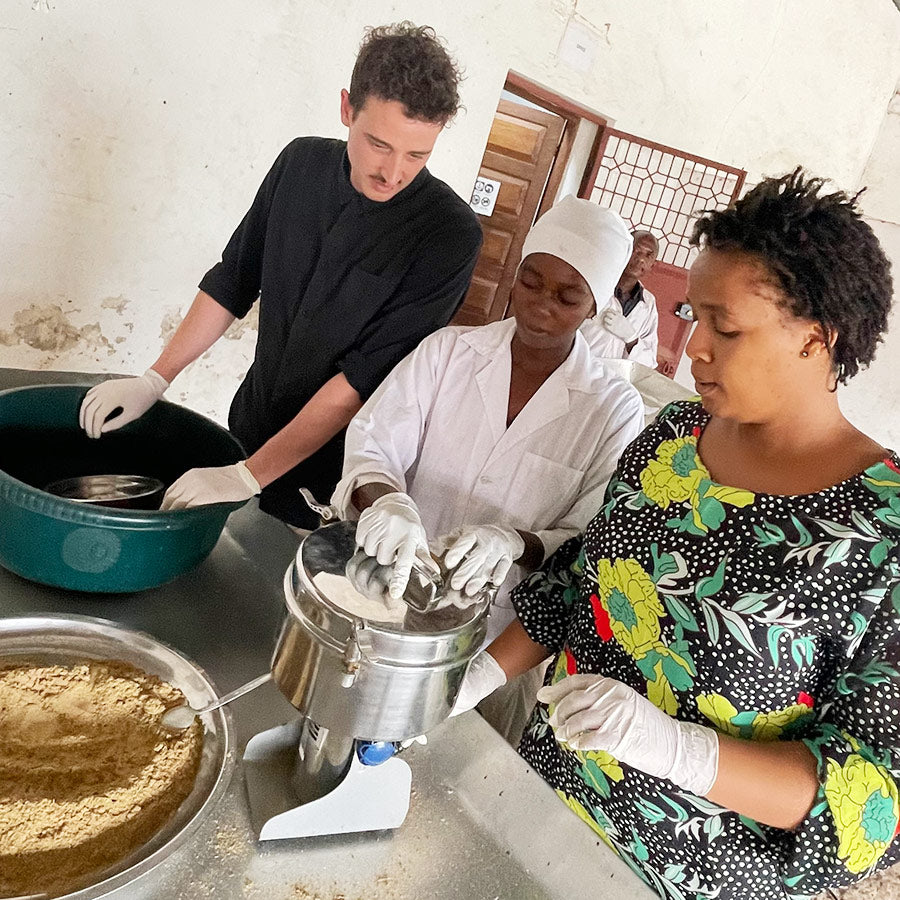
Our spices come directly from Zanzibar, where they are sourced in partnership with local small-scale farmers and processed and packaged on site by our local team. This ensures freshness and quality.






Bestsellers
















Natural & Fair
• Sustainable farming practices
• Local communities
• Direct partnerships
• Effective value creation at the source of the spices
• Farm to Kitchen concept
• Protection of biodiversity
• Fair working conditions

