


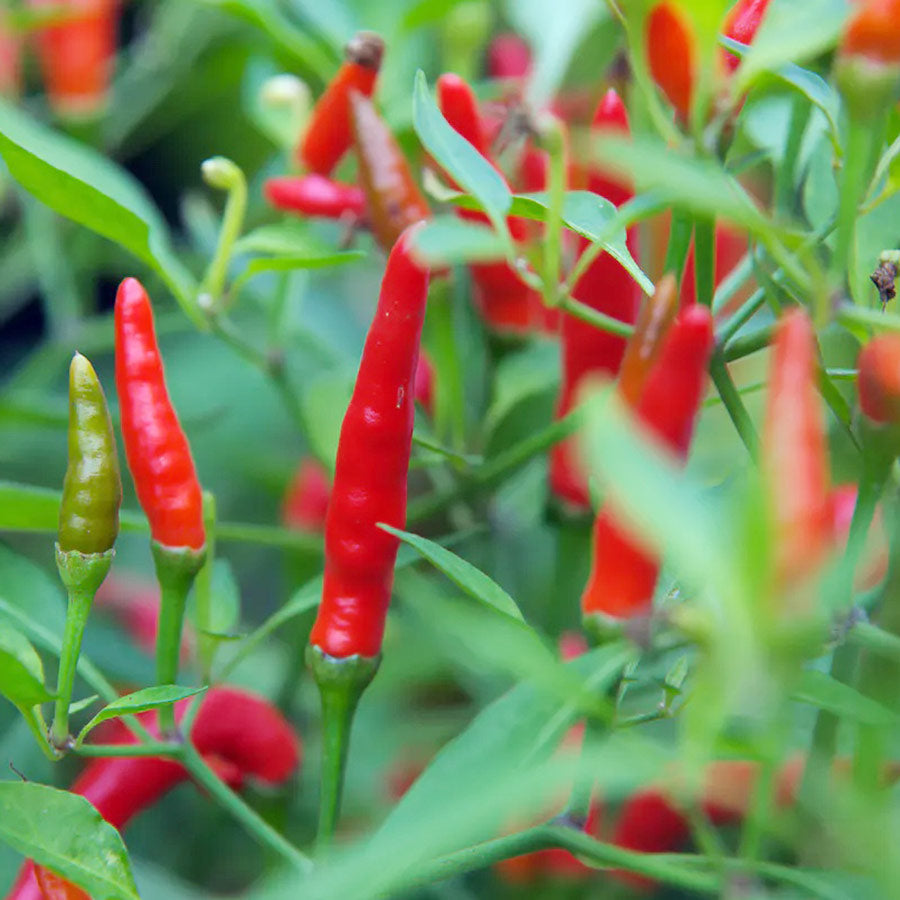

Shrimp need just a few minutes in a frying pan to become a flavourful dish. This short cooking time makes choosing the right spices particularly interesting: a light hint of lime enhances their delicate natural flavour, garlic adds savoury notes and chilli provides a spicy contrast. With the right shrimp seasoning, you can explore different flavours without overpowering the delicate texture of the seafood.
We offer a selection of individual spices and blends for your shrimp dishes. Our Fish Rub combines warm spice notes with lemon zest and ginger. Lime Sea Salt provides a fruity seasoning, while our Chilli Sea Salt is particularly suitable for spicy shrimp. Mild or smoked paprika powder also allows you to prepare shrimp in different ways – as a small starter, with pasta or freshly grilled.
Shrimp Need Different Seasoning from Many Fish Dishes
While a large fish fillet is often exposed to heat for longer during cooking, shrimp cook particularly quickly. Their delicate flesh can handle intense spices, but the right amount is essential. Too much chilli, salt or smoked paprika can completely overpower their natural flavour.
At the same time, shrimp take well to marinades and spices on their surface. However, this does not mean you need to marinate them for hours. A short preparation time is often enough to distribute oil, herbs and spices evenly.
For most preparations, we recommend starting with a clear flavour direction. Would you prefer a fresh variation with lime or a bold garlic and chilli combination? Your choice determines which spices to use and whether you need an additional sauce.
Popular Flavour Combinations for Shrimp
- Fruity and fresh: Lime zest, lemon juice and a little Black Pepper.
- Savoury: Garlic, mild paprika powder and olive oil.
- Spicy: Chilli with a small amount of garlic and citrus fruit.
- Smoky: Smoked paprika powder and a little lime juice.
- Spicy and complex: Coriander, cumin, ginger and paprika.
- Mediterranean: Oregano, garlic, olive oil and a squeeze of lemon.
These combinations suit different dishes. A light shrimp starter may need nothing more than lime seasoning, while grilled shrimp can often handle a stronger paprika flavour.
Preparation Matters Before You Start Seasoning
How evenly a marinade coats shrimp depends largely on how you prepare them. Frozen shrimp in particular can have a lot of surface moisture after thawing. If you put them straight into very hot oil, they initially release water and do not sear as effectively.
Allow frozen shrimp to thaw completely in the refrigerator and then pat them dry with clean kitchen paper. With raw shrimp, you should also check whether they have already been peeled and deveined. Only then is it worth applying the spices.
Three Details That Help with Seasoning
- Dry the surface: This helps distribute the spices and oil more evenly and allows the shrimp to sear better.
- Use a little oil: A thin coating is often enough to help a dry spice blend stick to the shrimp.
- Handle food hygienically: Prepare raw shrimp separately from ready-to-eat foods and thoroughly clean any utensils used.
If you use a marinade containing plenty of lemon or lime juice, avoid leaving the shrimp in it for unnecessarily long periods. The acidity can alter their surface structure and affect their texture after cooking.
Fish Rub for Shrimp with Warm Spice Notes
For shrimp that should offer more than just garlic or chilli flavours, a complex spice combination is an interesting option. Our Fish Rub contains coriander, cumin, paprika, ginger, lemon zest, turmeric, salt, sugar, Black Pepper, garlic, fennel and cloves.
The blend comes from Tanzania and is available in a 50 g pack. It has a spicy aromatic profile with citrus notes, hints of herbs and ginger. Although we call it Fish Rub, you can also experiment with it in shrimp recipes.
How to Use Fish Rub for Shrimp
For approximately 300 g of raw, peeled shrimp, you can start with half to one teaspoon of Fish Rub. Mix the shrimp with one tablespoon of oil and the spice blend until they are lightly coated on all sides.
Leave them to marinate briefly in the refrigerator before cooking them in a hot frying pan. As Fish Rub already contains salt and sugar, you normally do not need to add extra salt before frying. Also make sure the spices do not burn.
The cooked shrimp pair particularly well with rice, couscous or a fresh salad with cucumbers and tomatoes.
Lime Sea Salt for Shrimp with a Fresh Note
You do not always need an elaborate spice blend. For a simple pan-fried shrimp dish, a fruity salt combination can already be enough.
Our Lime Sea Salt consists of salt, lime zest and turmeric. It comes from Tanzania and is available in a 70 g pack. The combination adds savoury saltiness with fresh citrus notes.
You can first fry the shrimp in a little oil with Black Pepper and then season them sparingly with Lime Sea Salt. This variation pairs particularly well with shrimp served with avocado, sautéed courgettes or light pasta.
Should You Add Lime Before or After Frying?
For a direct citrus flavour, you can use both lime zest and a little lime juice. The juice is particularly suitable as a finishing touch once the shrimp are cooked.
Our Lime Sea Salt, on the other hand, contains dried lime zest. This allows you to add a fruity seasoning without introducing larger amounts of liquid into the frying pan.
If you combine both options, use the additional acidity sparingly. This helps preserve the natural flavour of the shrimp.
Garlic and Shrimp Are a Natural Pairing
Garlic is one of the best-known ingredients for pan-fried shrimp. Its savoury flavour pairs particularly well with olive oil, butter, parsley and a little lemon. That is why it is an important foundation in many Mediterranean dishes.
Our Garlic Sea Salt combines salt, garlic and ginger. This seasoning comes from Tanzania and provides an easy way to bring salty and savoury flavours together.
For pan-fried shrimp, you can add it sparingly after cooking or mix it with a little oil to make a simple seasoning. As it already contains salt, the quantity should be adjusted to the other ingredients.
Why Garlic Should Not Get Too Hot
Fresh garlic and dried garlic ingredients can darken and develop a bitter taste when exposed to high heat. This makes it particularly important to control the temperature when cooking shrimp, as they cook very quickly.
One option is to fry the shrimp in oil first and add a small amount of garlic towards the end, after reducing the heat. This creates a savoury flavour without leaving the garlic in hot fat for too long.
For a classic garlic shrimp dish, you can also add freshly chopped parsley and a little lemon juice.
Chilli Sea Salt for Shrimp with Fiery Heat
If you enjoy serving shrimp as a spicy starter, you can deliberately make the heat the main feature. Chilli in particular pairs well with the mild flavour of seafood, provided you do not use too much.
Our Chilli Sea Salt combines salt, Bird's Eye Chilli and paprika. It adds an intense, spicy flavour and is suitable for a variety of savoury dishes.
For shrimp, we recommend using only a small amount of this seasoned salt at first. It works particularly well as a topping added immediately after frying. This allows you to serve a milder base dish to everyone and make individual portions spicier as desired.
How to Pair Shrimp with Chilli
Spicy flavours taste particularly balanced when other ingredients provide contrast. Fruity tomatoes, avocado or a little lime juice are therefore good accompaniments to spicy shrimp.
You can also mix a little natural yoghurt with lime juice to make a mild dip. It complements the spicy shrimp without requiring you to change their seasoning.
Paprika Powder for Grilled Shrimp
Grilling adds the flavours of a browned surface to the spices. Paprika seasoning pairs particularly well with these flavours because it can be either mild or smoky.
Our Bio Paprika Mild comes from Spain and is made from ripe peppers. The spice has a fruity, slightly sweet aroma and is suitable for marinades, sauces and savoury dishes.
If you prefer a more pronounced smoky note, you can try our Bio Paprika Smoked. The peppers are dried and smoked over oak wood, giving the powder its characteristic smoky aroma.
A Simple Paprika Marinade for Grilled Shrimp
For 400 g of raw shrimp, mix two tablespoons of olive oil with one teaspoon of mild paprika powder, a small pinch of smoked paprika and a little Black Pepper.
Coat the shrimp with the marinade and leave them covered in the refrigerator for approximately 15 minutes. You can then thread them onto suitable skewers or prepare them in a grilling tray.
Grill the shrimp over sufficiently high but controlled heat, turning them after a short time. They are ready once they are fully cooked and no longer translucent inside.
The grilling time depends on their size and the temperature. Small shrimp need considerably less time than large ones.
Marinating Shrimp Without Changing Their Texture
A good marinade depends not only on flavour but also on its composition. Oil distributes the spices across the surface. Salt influences the seasoning, while lemon or lime juice adds fresh acidity.
Unlike some larger cuts of meat, shrimp generally do not need to marinate for hours. Marinades containing a lot of acid in particular can cause changes to their surface structure.
Which Marinade Suits Which Dish?
- For pan-frying: Olive oil, garlic and a little Black Pepper.
- For grilling: Paprika powder, oil and a small amount of smoked paprika.
- For a rice bowl: Fish Rub and a little oil as a flavourful base.
- For a spicy starter: Chilli, garlic and a squeeze of lime juice after frying.
- For light pasta: Lime Sea Salt, olive oil and fresh herbs.
A short marinating time in the refrigerator is enough for many variations. Do not use marinade that has already come into contact with raw shrimp as a finished sauce without cooking it.
Recipe: Shrimp with Lime, Garlic and Spiced Couscous
This dish combines juicy shrimp with an aromatic couscous side dish. Instead of preparing a heavy sauce, we use a light combination of lime, paprika and garlic. The individual spices remain distinguishable, and the dish is easy to prepare on the hob.
Ingredients for Two Servings
- Shrimp: 300 g raw, peeled and deveined shrimp
- Couscous: 150 g couscous
- Vegetable stock: 180 ml hot vegetable stock
- Red pepper: 1 small red pepper
- Courgette: 1 small courgette
- Olive oil: 2 tbsp olive oil
- Bio Paprika Mild: ½ tsp Bio Paprika Mild
- Fish Rub: ½ tsp Fish Rub
- Lime Sea Salt: A small pinch of Lime Sea Salt
- Garlic: 1 garlic clove
- Lime juice: 1–2 tsp lime juice
- Parsley: A little fresh parsley
- Black Pepper: Black Pepper to taste
Preparation
First, prepare the couscous according to the packet instructions using the hot vegetable stock. Fluff it with a fork, cover and set aside.
Cut the pepper and courgette into small cubes. Heat one tablespoon of olive oil in a large frying pan and fry the vegetables for a few minutes until they are soft and lightly browned. Mix them with the couscous and keep the side dish warm.
Carefully pat the thawed shrimp dry. Mix the remaining olive oil with Bio Paprika Mild and Fish Rub, then distribute the mixture evenly over the shrimp.
Heat the frying pan again and cook the shrimp in batches so they do not overlap. Add the finely chopped garlic only towards the end and reduce the heat slightly. Cook the shrimp thoroughly without leaving them in the pan for unnecessarily long.
Remove the pan from the heat and add the lime juice. Carefully season the shrimp with Lime Sea Salt and a little Black Pepper. As Fish Rub already contains salt, you may need only a very small additional amount.
Divide the couscous between two plates, arrange the shrimp on top and garnish with freshly chopped parsley. The contrast between the warm spices and the finishing note of lime is particularly pleasant.
Avoiding Common Mistakes When Frying Shrimp
Shrimp require attention because their texture changes in a short time. If they are cooked for too long, they can become firm and rubbery. On the other hand, if they are not fully cooked, there is a food safety risk.
Another common mistake is overcrowding the frying pan. When too many cold shrimp are added at once, the temperature drops and liquid accumulates. Instead of developing a lightly browned surface, the shrimp end up being more steamed than fried.
What to Keep in Mind
- Do not fry too many shrimp at once: Work in batches so there is enough space.
- Thaw thoroughly: Ideally, thaw frozen shrimp in the refrigerator and remove excess moisture.
- Do not burn the spices: Use garlic and ground paprika at a controlled temperature.
- Avoid overcooking: Remove the shrimp from the heat as soon as they are fully cooked.
- Keep raw and cooked foods separate: Clean utensils and work surfaces after contact with raw shrimp.
- Remember pre-cooked shrimp: Shrimp that are already cooked only need to be heated thoroughly when reheating and do not require a long frying time.
Raw shrimp should be cooked thoroughly. Their colour can vary depending on the species; firm flesh that is no longer translucent is a useful indication. For a particularly reliable check, you can measure the internal temperature. A safe guideline is 63 °C.
Make Your Own Salt-Free Shrimp Seasoning
If you want to control the amount of salt yourself, you can prepare a small dry spice blend for shrimp. A combination of paprika, garlic, pepper and a hint of chilli works particularly well.
Recipe for Several Servings
- Bio Paprika Mild: 3 tsp for a mild, fruity base.
- Bio Paprika Smoked: ½ tsp for a subtle smoky note.
- Dried garlic: 1 tsp for a savoury flavour.
- Black Pepper: ½ tsp for peppery warmth.
- Dried oregano: ½ tsp for a light herbal note.
- Chilli flakes: An optional small pinch.
Mix the ingredients thoroughly and store them in a dry, tightly sealed jar. For 300 g of shrimp, you can start with approximately one teaspoon and apply the blend with a little oil.
The spices are also suitable for other dishes, such as vegetable stir-fries or fried potatoes. Add salt only when preparing the dish so you can adjust the intensity according to the accompanying ingredients.
Buy Shrimp Seasoning from 1001 Organic
Whether you serve shrimp as a small starter, grilled or with pasta determines which seasoning is most suitable. For a complex spice combination, you can try our Fish Rub. The blend combines coriander, cumin, ginger, paprika and other ingredients with a fresh lemon note.
If you prefer something lighter and fruitier, our Lime Sea Salt is a good option. With Chilli Sea Salt, you can choose a noticeably spicier direction. For savoury garlic shrimp, we also offer our Garlic Sea Salt.
We therefore offer different ways to prepare shrimp according to your preferences. You can combine individual spices selectively or use a ready-made seasoning. This allows you to create a wide variety of shrimp dishes from a simple base.
Frequently Asked Questions About Shrimp Seasoning
Which Spices Go Particularly Well with Shrimp?
Garlic, Black Pepper, paprika, chilli, coriander and ginger pair well with shrimp. Lemon or lime zest can also add a fresh aroma. The choice depends on the preparation: garlic, for example, is suitable for pan-fried shrimp, while smoked paprika powder works particularly well with grilled shrimp.
When Should You Season Shrimp – Before or After Frying?
You can apply dry spices such as paprika, pepper or Fish Rub with a little oil before frying. Delicate ingredients such as fresh garlic should not be exposed to intense heat for too long. You can also add lime juice or flavoured sea salt after frying. This makes it easier to adjust the flavour precisely.
How Much Shrimp Seasoning Do You Need for 300 g of Shrimp?
For approximately 300 g of raw shrimp, you can start with half to one teaspoon of a mild spice blend. Strongly spiced blends or seasoned salts may require considerably less. The important factors are the ingredients in the blend and your personal taste. Remember that our Fish Rub already contains salt and sugar.
Which Spices Work Well with Grilled Shrimp?
Mild paprika powder, a little smoked paprika, garlic and Black Pepper are suitable for grilled shrimp. You can mix these ingredients with a little olive oil to make a marinade. A fresh lime note works well as a finishing touch. When grilling, make sure the ground spices do not burn and that the shrimp are thoroughly cooked.
Can You Use Fish Rub for Shrimp?
Yes. You can also try our Fish Rub with shrimp. The blend contains coriander, cumin, paprika, ginger and lemon zest, among other ingredients. This creates a warm, spicy combination with fresh notes. First, mix a small amount with oil and coat the shrimp before cooking them in a frying pan or on the grill.
How Long Should You Marinate Shrimp?
For shrimp, a short marinating time of approximately 10 to 20 minutes in the refrigerator is often sufficient. With marinades containing lemon or lime juice in particular, avoid leaving them to marinate unnecessarily long, as acidity can alter their surface structure. Cook the shrimp soon afterwards and do not reuse marinade that has come into contact with raw shrimp without cooking it.
How Do I Season Shrimp for Pasta?
Garlic, Black Pepper, oregano and a small amount of chilli work well with shrimp pasta. Particularly with a light olive oil sauce, you can add a little lime juice or Lime Sea Salt at the end. Mild paprika powder also pairs well with tomato sauce. Use the spices sparingly so that the pasta does not become overseasoned.
Which Shrimp Seasonings Does 1001 Organic Offer?
Our range includes Fish Rub, Lime Sea Salt, Chilli Sea Salt, Garlic Sea Salt, as well as mild and smoked organic paprika powder. You can use these products to prepare fruity, savoury, spicy or smoky shrimp dishes. None of these products is specifically labelled as an exclusive shrimp seasoning blend.


Bestsellers



















Natural & Fair
• Sustainable farming practices
• Local communities
• Direct partnerships
• Effective value creation at the source of the spices
• Farm to Kitchen concept
• Protection of biodiversity
• Fair working conditions

